How to Perform a Female Pelvic Exam: A Step-by-Step Guide on YouTube

The advent of online platforms has revolutionized the way we consume and share information. YouTube, with its vast collection of videos, has become a powerful tool for educating and empowering individuals on a variety of topics, including healthcare. One sensitive medical procedure that has recently gained attention on YouTube is the female pelvic exam.
A female pelvic exam is an essential component of women’s healthcare, as it allows healthcare providers to assess the health of a woman’s reproductive organs. However, for many women, this procedure can be intimidating and uncomfortable. YouTube provides a platform for healthcare professionals to educate women about the procedure, debunk myths, and address common concerns, ultimately making the experience less daunting.
Through educational channels and videos, healthcare providers can demonstrate the proper technique for conducting a female pelvic exam, explaining each step in detail. These videos often include information about the tools used, the purpose of the exam, and how to prepare for it. By showcasing the procedure in a professional and informative manner, YouTube videos can help women become more informed and comfortable when undergoing this essential healthcare procedure.
Understanding the Female Pelvic Exam

The female pelvic exam is an important part of a woman’s reproductive healthcare routine. It is a physical examination of the pelvic organs and is performed by a healthcare professional, typically a gynecologist or nurse practitioner. The exam allows for the assessment of the health of the reproductive organs, including the uterus, ovaries, cervix, and vagina. It also helps in the early detection of any abnormalities or potential health issues.
Step-by-Step of the Exam:
- Preparation: The patient is usually asked to undress from the waist down and wear a gown for comfort and privacy.
- Positioning: The patient lies on an examination table, with her feet in stirrups and knees bent. This position allows for better access and visualization of the pelvic area.
- External Examination: The healthcare provider first examines the external genitalia, looking for any signs of infection, abnormalities, or skin conditions.
- Speculum Insertion: A sterile instrument called a speculum is gently inserted into the vagina to hold it open. This allows visualization of the cervix and vaginal walls.
- Pap Smear: During the pelvic exam, a Pap smear is often performed, where cells are collected from the cervix to screen for cervical cancer or abnormalities.
- Bimanual Examination: The healthcare provider uses gloved fingers to palpate the reproductive organs by placing one hand on the abdomen and the other inside the vagina. This allows for an evaluation of the size, shape, and position of the uterus and ovaries.
- Rectovaginal Examination: In some cases, a rectovaginal examination may be performed by gently inserting a finger into the rectum to assess the back wall of the uterus, ovaries, and other nearby structures.
The female pelvic exam may cause some discomfort, but it generally should not be painful. If a woman experiences pain during the exam, she should communicate with the healthcare provider so that appropriate measures can be taken to ensure her comfort.
In conclusion, the female pelvic exam plays a crucial role in maintaining women’s reproductive health. It allows for the assessment and early detection of any abnormalities or potential health issues. It is important for women to undergo regular pelvic exams as recommended by their healthcare providers to ensure optimal reproductive health and overall well-being.
What is a Female Pelvic Exam?

A female pelvic exam, also known as a gynecological exam or a Pap test, is a procedure performed by a healthcare provider to examine the reproductive organs of a woman. This exam is an essential part of preventive healthcare for women and is typically done on a regular basis, usually once a year.
During a female pelvic exam, the healthcare provider examines the external and internal genitalia of the woman, including the vagina, cervix, uterus, fallopian tubes, and ovaries. The purpose of the exam is to check for any abnormalities, such as infections, tumors, or other issues that may require further medical attention.
The exam usually begins with the woman undressing from the waist down and lying on an examination table. The healthcare provider will then perform a visual examination of the external genitalia to check for any abnormalities or signs of infection. Next, a speculum, a metal or plastic instrument, is gently inserted into the vagina to hold it open and allow the healthcare provider to see the cervix. Using a small brush or spatula, the healthcare provider may collect a sample of cells from the cervix for a Pap test, which is a screening test for cervical cancer.
Overall, a female pelvic exam is an important part of a woman’s healthcare routine and can help to detect and prevent potential health issues. It is recommended that women start having regular pelvic exams around the age of 21 or when they become sexually active, and continue to have them on a yearly basis.
When is a Female Pelvic Exam Necessary?

A female pelvic exam, also known as a gynecological exam, is a crucial part of a woman’s healthcare routine. It is typically recommended for women once they reach the age of 21 or become sexually active, whichever comes first. However, there are certain situations when a pelvic exam may be necessary regardless of age or sexual activity.
One common reason for a female pelvic exam is to screen for cervical cancer. The exam allows the healthcare provider to check for any abnormal changes in the cervix that could indicate the presence of cancer or other issues, such as infections or precancerous cells. Regular pap smears and pelvic exams can help detect cervical cancer at an early stage when it is most treatable.
In addition, a female pelvic exam may be necessary for women experiencing symptoms such as pelvic pain, abnormal bleeding, or unusual vaginal discharge. These symptoms could be signs of various gynecological conditions, including infections, fibroids, endometriosis, or ovarian cysts. The exam enables the healthcare provider to evaluate the reproductive organs and identify the underlying cause of these symptoms.
Pregnant women may also require a pelvic exam during prenatal care. The exam helps monitor the health of the mother and baby, assess the cervix for any signs of preterm labor, and check for conditions such as gestational diabetes or preeclampsia. It is an essential part of ensuring a healthy pregnancy and childbirth.
Overall, a female pelvic exam is necessary in various situations, including routine screenings for cervical cancer, evaluation of symptoms, and prenatal care. It allows healthcare providers to assess the reproductive organs, detect any abnormalities or potential health issues, and provide appropriate treatment and care. Women should discuss with their healthcare provider the need for a pelvic exam based on their individual circumstances.
Preparing for a Female Pelvic Exam
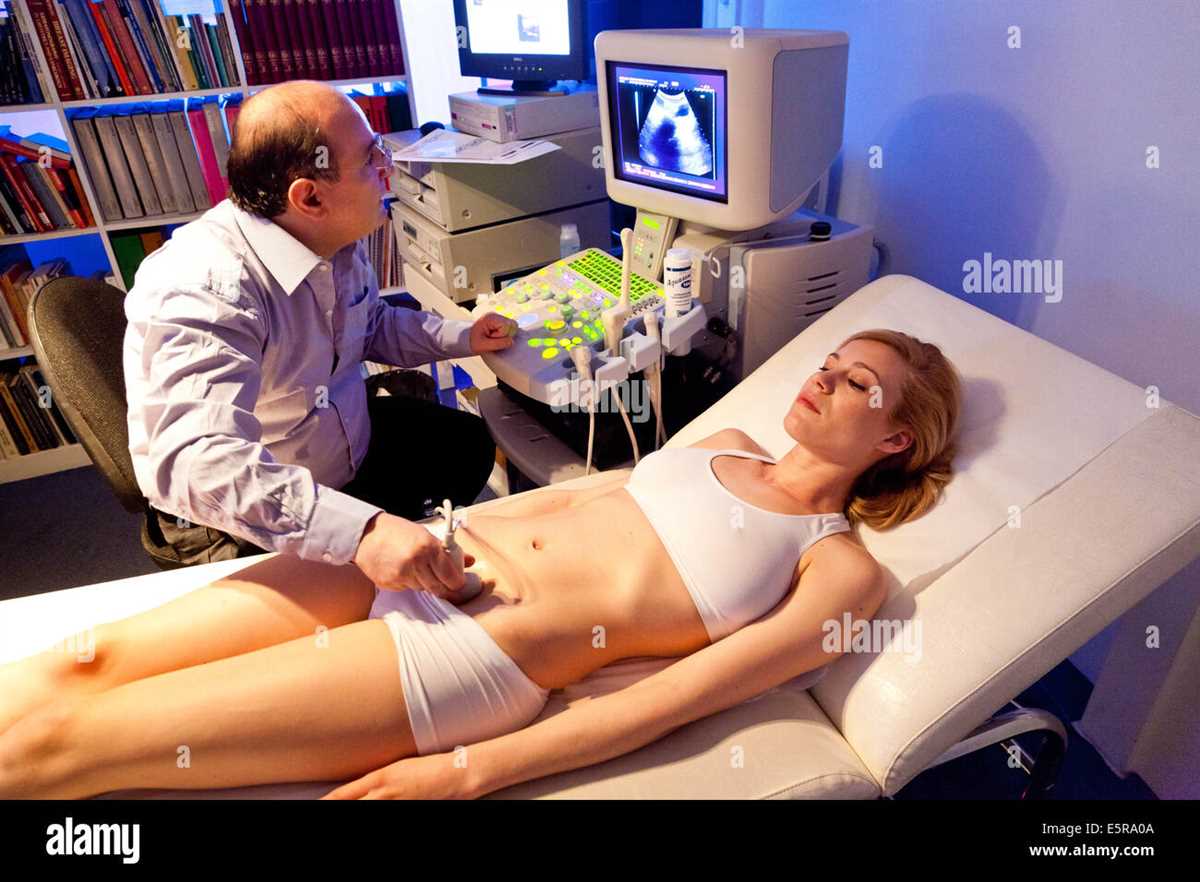
When it comes to getting a female pelvic exam, it is important to be prepared and knowledgeable about what to expect. This type of exam is typically performed by a healthcare professional, such as a gynecologist or a nurse practitioner, and is an essential part of maintaining women’s reproductive health.
Here are some important steps to take in order to prepare for a female pelvic exam:
- Schedule the exam: Contact your healthcare provider to schedule an appointment for your pelvic exam. It is important to choose a healthcare professional you feel comfortable with and can trust.
- Inform your healthcare provider: Before the exam, inform your healthcare provider about any medical conditions, medications, or allergies you have. This will help them tailor the exam to your specific needs and ensure your safety.
- Choose comfortable clothing: On the day of the exam, wear loose and comfortable clothing. This will allow for easier access during the exam and help you feel more at ease.
- Empty your bladder: Before the exam, you will be asked to empty your bladder. This is important as a full bladder can interfere with the accuracy of certain tests that may be performed during the pelvic exam.
- Emotional preparation: It is normal to feel anxious or nervous before a pelvic exam. Take some time to engage in relaxation techniques, such as deep breathing or meditation, to help calm your mind and body.
Remember, a female pelvic exam is a routine procedure aimed at monitoring and maintaining your reproductive health. By being prepared and informed, you can have a more comfortable and positive experience during the exam.
What to Expect During a Female Pelvic Exam

A female pelvic exam is a routine procedure that is conducted by a healthcare provider to assess the health of a woman’s reproductive system. It includes a series of tests and examinations that help in diagnosing and preventing various gynecological conditions. If you are scheduled for a pelvic exam, it is normal to feel a bit anxious or unsure about what to expect. Here is a guide to help you understand what happens during a female pelvic exam.
1. Preparation:

Prior to the exam, your healthcare provider will explain the procedure to you and address any concerns or questions you may have. You may be asked to provide a detailed medical history, including any current symptoms or concerns. It is important to disclose any relevant information, such as previous surgeries, pregnancies, or sexually transmitted infections.
You will typically be asked to change into a gown or robe and remove your underwear. It is recommended to empty your bladder before the exam to ensure a more comfortable experience.
2. External Examination:
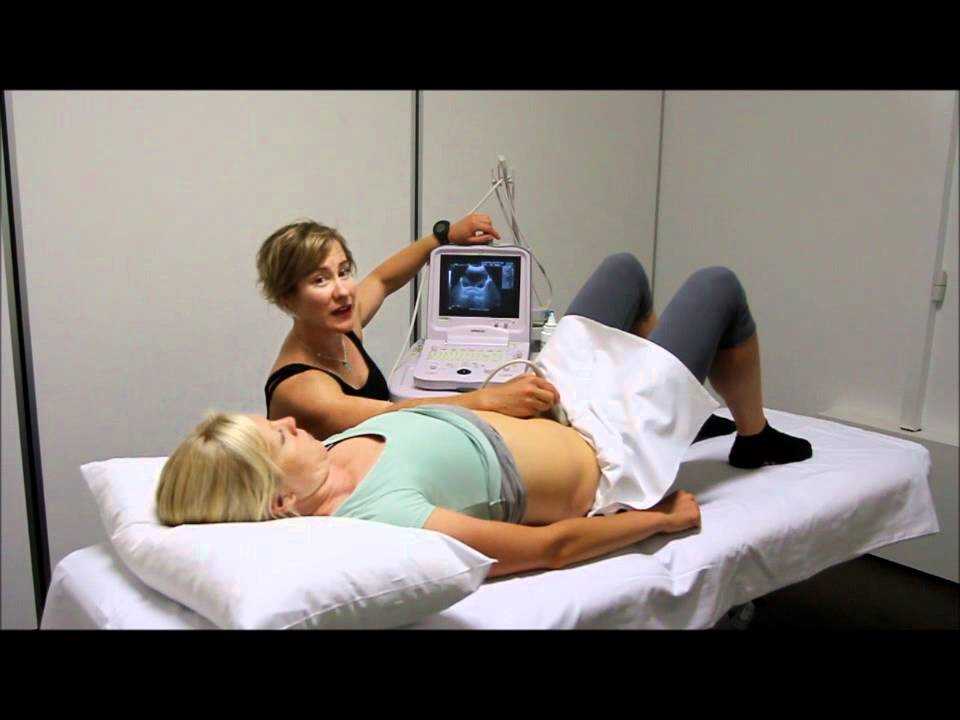
The first step of a pelvic exam involves an external examination. Your healthcare provider will visually inspect the external genital area to check for any abnormalities, such as redness, swelling, or sores. They may use a gloved hand to gently palpate the area, feeling for any unusual lumps or bumps.
3. Speculum Exam:
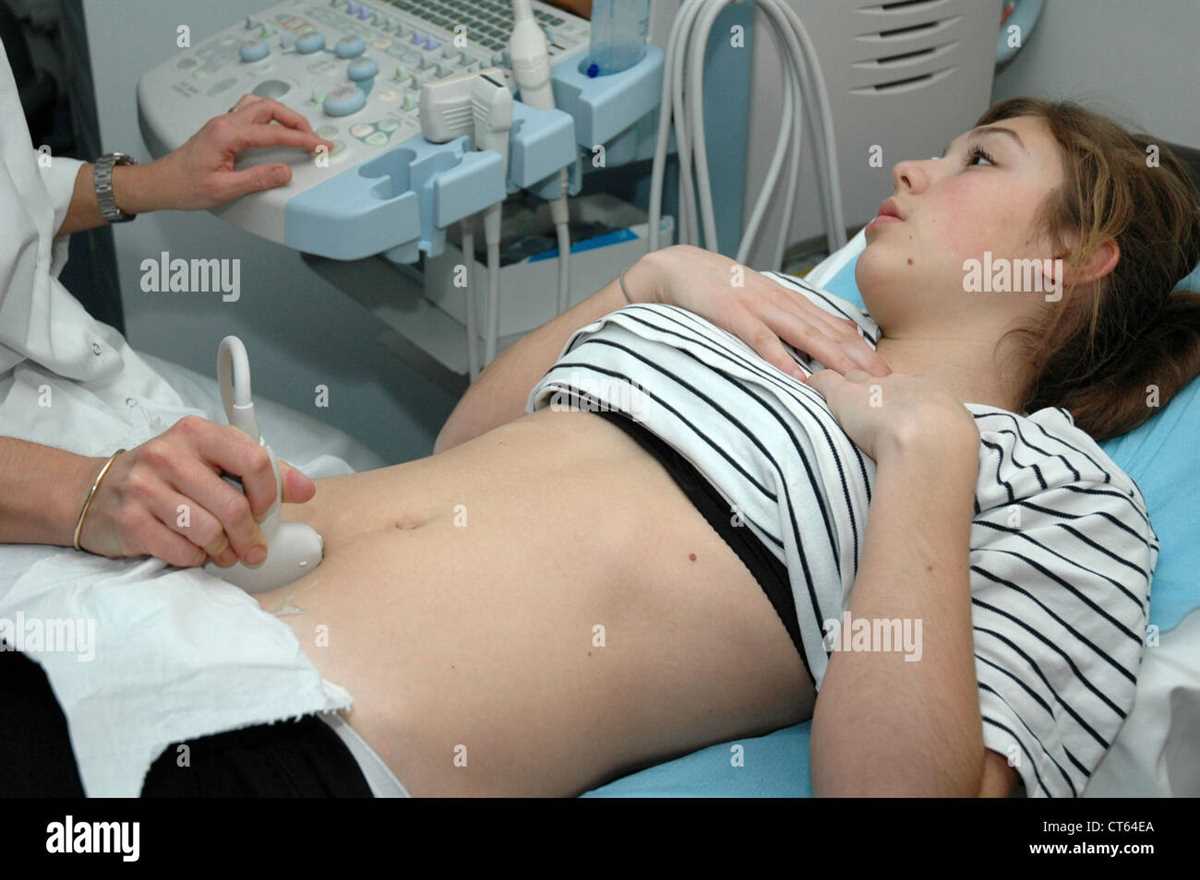
Next, your healthcare provider may use a lubricated speculum to visually examine your vagina and cervix. The speculum is gently inserted into the vagina and opened, allowing the healthcare provider to visualize the cervix. This may cause some mild discomfort or pressure, but it should not be painful.
During this part of the exam, your healthcare provider may take samples for a Pap smear, which is a test to screen for cervical cancer, or for other laboratory tests as needed. They may also perform a bimanual exam, where they use two fingers internally and place the other hand on your abdomen to feel the size, shape, and position of the uterus and ovaries.
4. Discussion and Follow-Up:
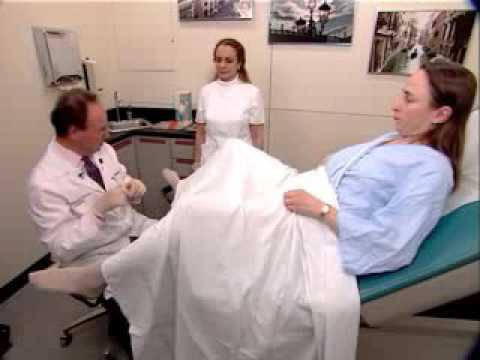
After the exam, your healthcare provider will discuss their findings with you and answer any additional questions you may have. Depending on the results, they may recommend further tests or treatments. It is important to communicate openly and honestly with your healthcare provider to ensure that you receive the necessary care and follow-up.
In conclusion, a female pelvic exam is a routine procedure that helps assess the health of a woman’s reproductive system. It is important to approach the exam with an open mind and communicate any concerns you may have with your healthcare provider. Remember, they are there to ensure your health and well-being.
Interpreting the Results of a Female Pelvic Exam
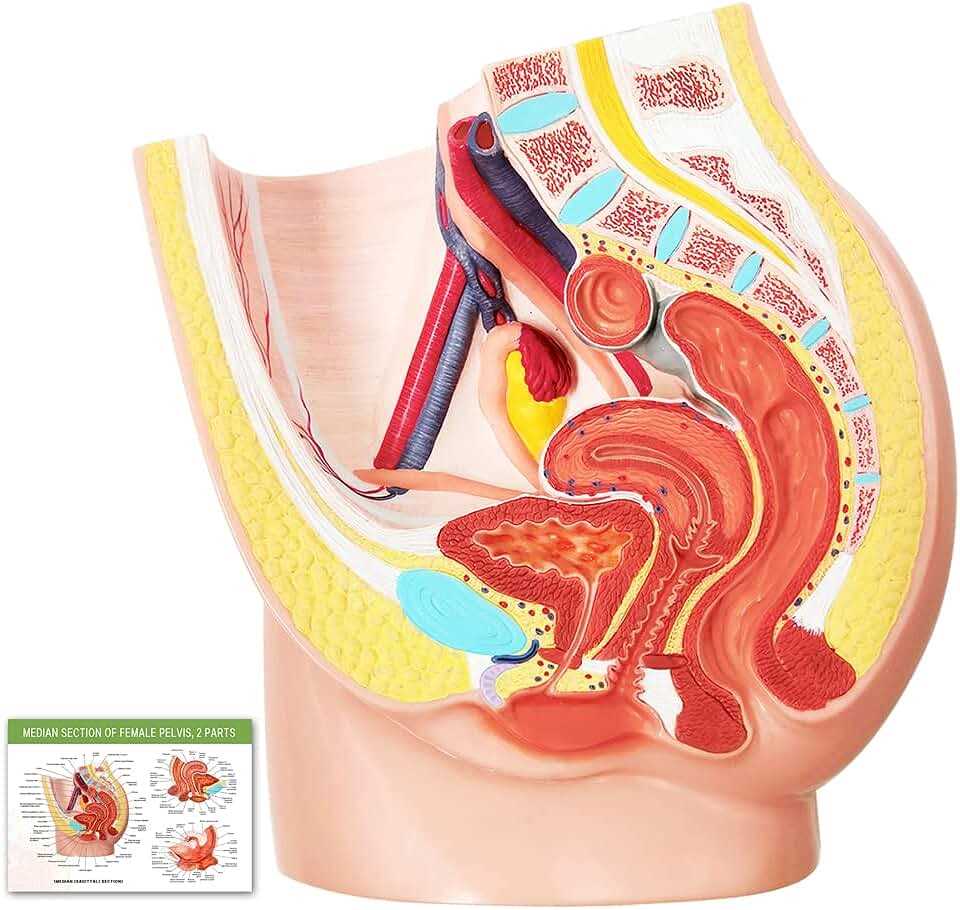
A female pelvic exam is a medical procedure that involves the examination of a woman’s reproductive organs. It is usually performed by a gynecologist and can provide valuable information about a woman’s overall reproductive health. Once the exam is completed, it is important for both the patient and the healthcare provider to properly interpret the results to determine any potential issues or abnormalities.
One key aspect of interpreting the results of a female pelvic exam is understanding the normal anatomy of the reproductive organs. This includes familiarizing oneself with the position, size, and shape of the uterus, ovaries, and cervix. Any variations from the normal anatomy can indicate potential problems, such as uterine fibroids, ovarian cysts, or cervical abnormalities.
During a pelvic exam, the healthcare provider may also collect samples for further testing. This can include swabs or biopsies of the cervix, which are examined for the presence of infections, abnormal cells, or other indicators of cervical cancer. It is crucial to carefully analyze these test results to identify any signs of disease or infection.
In addition to examining the reproductive organs, a pelvic exam often includes an assessment of the surrounding structures, such as the bladder and rectum. This can involve checking for any signs of inflammation, masses, or abnormalities in these areas. Any abnormal findings should be documented and further investigated, as they may be indicative of conditions such as urinary tract infections or inflammatory bowel disease.
Overall, the interpretation of the results of a female pelvic exam requires a thorough understanding of the normal anatomy and functioning of the reproductive organs, as well as the ability to recognize any deviations or abnormalities. By properly analyzing the results, healthcare providers can make informed decisions regarding the patient’s reproductive health and recommend appropriate treatment or further testing if necessary.
Importance of Regular Female Pelvic Exams
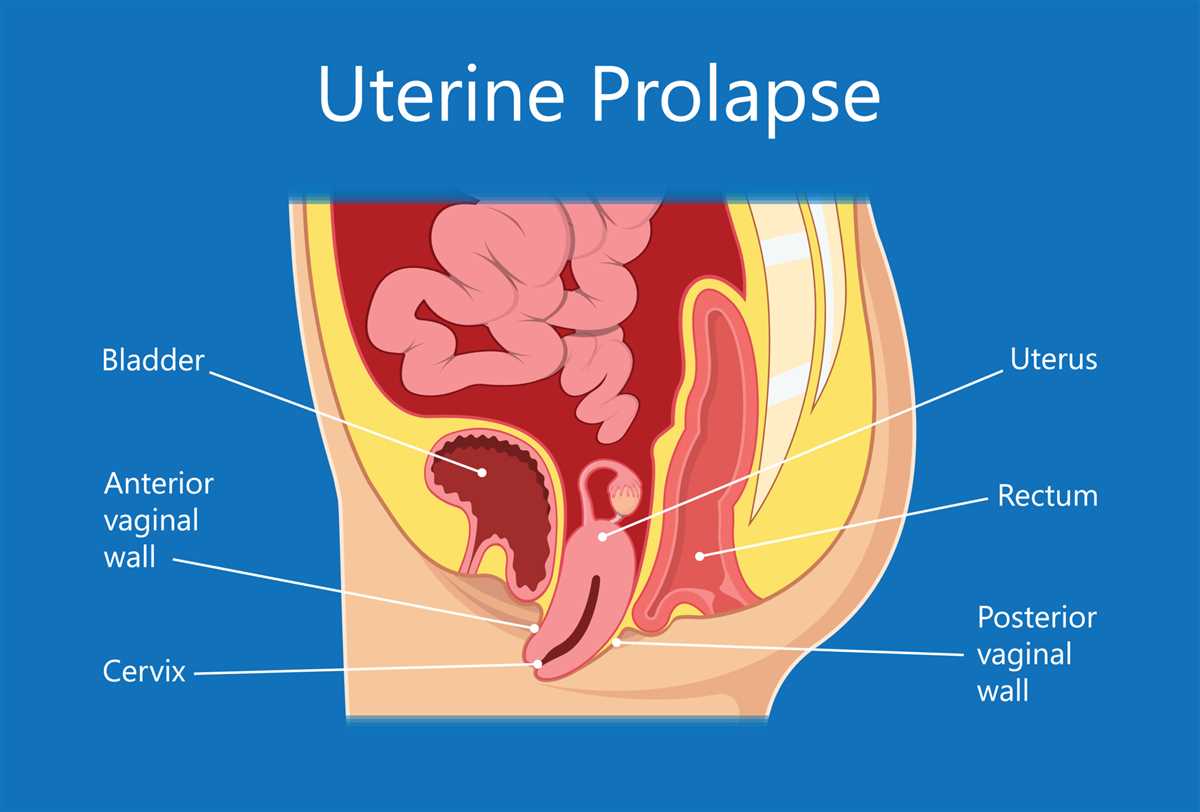
A regular female pelvic exam, also known as a gynecologic exam, is an essential part of maintaining a woman’s reproductive health. It involves a thorough examination of the organs in the pelvic region, including the uterus, cervix, ovaries, and fallopian tubes. This medical procedure is typically performed by a gynecologist or a healthcare provider specializing in women’s health.
Regular female pelvic exams are crucial for several reasons. Firstly, they allow for the early detection and prevention of various gynecological conditions. During the exam, the healthcare provider can identify any abnormalities or signs of potential problems, such as abnormal Pap smear results, infections, genital warts, or cysts. Early detection of these conditions can lead to prompt treatment, which significantly increases the chances of a favorable outcome.
Secondly, regular pelvic exams provide an opportunity for women to discuss their reproductive health concerns, ask questions, and receive guidance from their healthcare provider. It is an opportunity to address any symptoms or changes in sexual health that may require further investigation or treatment. This open communication contributes to better overall reproductive health and can help women make informed decisions about contraception, family planning, and menopause management.
Thirdly, pelvic exams are integral in the early detection of cervical cancer. Through a visual examination of the cervix and the collection of cells for a Pap smear, doctors can identify any abnormal cellular changes that may indicate the presence of precancerous or cancerous cells. Early detection of cervical cancer greatly improves the chances of successful treatment and survival rates.
Finally, regular pelvic exams provide an opportunity to assess and monitor a woman’s reproductive health over time. By establishing a baseline through initial exams, healthcare providers can track changes or trends in reproductive health, identify potential risk factors, and provide appropriate interventions or treatments if necessary.
In conclusion, regular female pelvic exams are a vital component of women’s healthcare. These exams offer early detection, prevention, and treatment of gynecological conditions, provide opportunities for open communication between women and their healthcare providers, aid in the early detection of cervical cancer, and allow for monitoring of reproductive health over time. It is crucial for women to prioritize these exams as a means of ensuring their overall well-being and reproductive health.