Unravelling the Secrets of Romeo and Juliet Act 2: Your Complete Answer Key
William Shakespeare’s tragic play “Romeo and Juliet” is filled with love, passion, and tragedy. Act 2 is a crucial part of the play, as it explores the blossoming relationship between Romeo and Juliet and the obstacles they face. In this article, we will provide an answer key to some of the most frequently asked questions about Act 2 of “Romeo and Juliet”.
One of the key themes in Act 2 is the secrecy surrounding Romeo and Juliet’s love. They are unable to openly express their affection due to the long-standing feud between their families, the Montagues and the Capulets. This secrecy adds an element of danger and drama to their relationship, as they must constantly find ways to meet in secret and exchange their vows of love.
Act 2 also introduces the iconic balcony scene, where Romeo professes his love for Juliet from beneath her balcony. This scene is often considered one of the most romantic in literature, as Romeo compares Juliet to the sun and expresses his desire to be with her. The balcony scene is a pivotal moment in the play, as it marks the peak of Romeo and Juliet’s infatuation and sets the stage for the tragic events to come.
In this answer key, we will explore the motivations and actions of the characters in Act 2, as well as the themes and symbolism present in the text. By delving into these questions, we hope to provide a deeper understanding of this timeless play and its significance in literature.
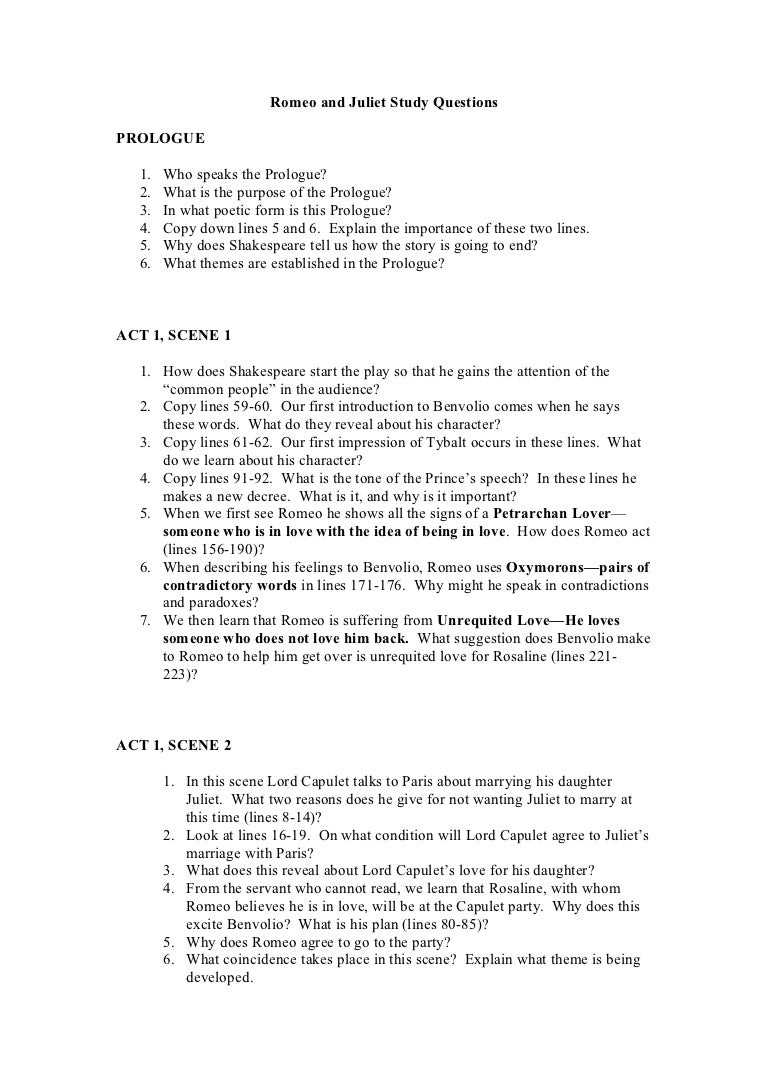
Romeo and Juliet Act 2 Questions Answer Key
As you dive into Act 2 of Shakespeare’s timeless tragedy, “Romeo and Juliet,” you may find yourself with questions about the plot, characters, and themes. Luckily, we have the answer key to provide you with a clearer understanding of the text. Let’s explore some key questions and their answers to enhance your comprehension of this captivating play.
1. What is the significance of the balcony scene?
The balcony scene in Act 2 is one of the most famous and iconic moments in literature. It is the pivotal moment when Romeo and Juliet confess their love for each other. This scene showcases their intense passion and sets the stage for their secret marriage and tragic fate.
2. Why does Juliet fear Romeo’s professions of love?
Juliet fears Romeo’s professions of love because she worries that they are too hasty and impulsive. She is afraid that their love is based solely on physical attraction rather than true emotional connection. Additionally, she recognizes the dangers of their love due to the feuding between their families.
3. How does Friar Laurence play a role in Romeo and Juliet’s love affair?
Friar Laurence plays a crucial role in Romeo and Juliet’s love affair. He agrees to secretly marry them in the hope that it will bring an end to the feud between their families. However, his decision ultimately leads to tragic consequences as their secret marriage fuels the conflict and sets off a chain of events that leads to their untimely deaths.
4. What is the theme of love in Act 2?
The theme of love in Act 2 is explored in various ways. It highlights the intensity of young love, the power of physical attraction, and the consequences of impulsive decisions. It also delves into the theme of forbidden love, as Romeo and Juliet must navigate their relationship in secret due to the feud between their families.
5. How does Act 2 contribute to the overall plot of the play?
Act 2 of “Romeo and Juliet” serves as a turning point in the play, deepening the love between Romeo and Juliet and setting them on their tragic path. It establishes their secret marriage, introduces the character of Friar Laurence as a catalyst for the events to come, and foreshadows the destructive consequences of their love.
By diving into these key questions and their answers, you can deepen your understanding of Act 2 in “Romeo and Juliet” and appreciate the complexities of Shakespeare’s masterful storytelling. Remember to explore the text further to uncover more insights and themes that make this play a timeless classic.
Summary of Act 2
In Act 2 of Romeo and Juliet, the story continues with Romeo’s pursuit of his love for Juliet. The act begins with Romeo sneaking into the Capulet’s orchard to see Juliet again. While hiding in the darkness, Romeo overhears Juliet expressing her love for him on her balcony. This famous scene, known as the balcony scene, is filled with romantic and poetic lines as both Romeo and Juliet confess their feelings for each other.
Romeo and Juliet decide to get married, and they make plans to meet the next day at Friar Laurence’s cell to seek his help in marrying them. The friar agrees to marry them, hoping that their union will end the feud between the Montagues and the Capulets. Meanwhile, Romeo convinces his friend and confidant, Mercutio, and their mutual friend Benvolio, to keep his secret marriage a secret.
The act also introduces a new character, the Nurse, who is Juliet’s maternal figure and confidante. Romeo sends a message to Juliet, asking her to find an excuse to go to confession, where they can meet and be married. The Nurse delivers the message to Juliet, who eagerly agrees to Romeo’s plan.
Act 2 ends with Romeo and Juliet’s marriage ceremony. Despite the deep love and hope they share, their union hangs in the balance as the bitter feud between their families threatens to tear them apart.
Analysis of Act 2
In Act 2 of Romeo and Juliet, the story takes a significant turn as the young lovers, Romeo and Juliet, continue to navigate their forbidden love. This act is filled with tension, secrecy, and moments of intense emotion. It explores themes of love, fate, and the consequences of impulsive actions.
One key moment in Act 2 is the famous balcony scene, where Romeo overhears Juliet confessing her love for him. This scene showcases the deep passion and longing between the two characters. Shakespeare’s use of poetic language and imagery adds to the romantic atmosphere and heightens the emotions of the scene.
The theme of fate is also prevalent in Act 2. Romeo believes that his encounter with Juliet is predetermined by destiny, as demonstrated by his lines, “I am fortune’s fool!” This belief in fate drives both Romeo and Juliet to take risks in order to be together, despite the dangers and obstacles they face.
Act 2 also introduces the character of Friar Laurence, who becomes a key figure in the development of the story. Friar Laurence is a confidant to both Romeo and Juliet, and he agrees to marry them in secret. Through his conversations with the young couple, the audience gains insight into his wise and compassionate nature.
Overall, Act 2 of Romeo and Juliet delves deeper into the complexities of the young lovers’ relationship and heightens the sense of urgency and danger surrounding their love. It sets the stage for the tragic events that occur later in the play, as the consequences of their impulsive actions unfold.
Romeo and Juliet’s Relationship in Act 2
In Act 2 of Shakespeare’s tragedy, “Romeo and Juliet,” the relationship between the two young lovers intensifies as they continue to discover the depth of their feelings for one another. The act begins with Romeo’s unyielding desire to see Juliet again, despite the danger of being caught by her relatives. Their love for each other is so strong that they are willing to take risks in order to spend time together.
Romeo’s devotion and determination are evident when he sneaks into the Capulet’s orchard, risking his life in order to be near Juliet. He expresses his love for her through poetic language, referring to her as the sun and the moon, emphasizing her beauty and the way she illuminates his life. This language highlights the passion and intensity of their relationship, as well as Romeo’s romantic nature.
As they speak to one another from their respective balconies, Romeo and Juliet engage in a passionate conversation, exchanging vows of love and commitment. They plan to marry each other, despite the feuding between their families, demonstrating their willingness to defy societal expectations for the sake of their love. This scene showcases the depth of their connection and the genuine affection they have for one another.
Overall, in Act 2, Romeo and Juliet’s relationship evolves from mere infatuation to a profound and all-encompassing love. They are willing to risk everything for each other, defying societal norms and the dangers posed by their families’ feud. Their love is characterized by intense passion, poetic language, and unwavering devotion. Despite the tragic ending of the play, Act 2 reveals the pure and powerful love between Romeo and Juliet as they navigate the challenges that their forbidden relationship presents.
Key Moments in Act 2

In Act 2 of Romeo and Juliet, several key moments further develop the relationship between the two young lovers and set the stage for the tragic events to come.
The Balcony Scene: One of the most famous scenes in literature, the balcony scene in Act 2, Scene 2 is a pivotal moment in the play. Romeo, unable to resist his love for Juliet any longer, climbs over the Capulet family’s orchard wall and finds himself beneath Juliet’s balcony. They confess their love for one another and make plans to marry, unaware of the tragic consequences that await them.
The Wedding Proposal: In Act 2, Scene 1, Romeo and Juliet’s love is put to the test when Romeo proposes the idea of marriage to Juliet. Knowing that their families are enemies, Romeo suggests that they marry in secret. Juliet, despite her initial reservations, agrees to Romeo’s proposal, displaying her unwavering love and commitment to him.
The Friar’s Plan: Act 2, Scene 3 introduces Friar Laurence, a wise and compassionate figure who plays a significant role in the tragic events of the play. Realizing the intense love between Romeo and Juliet, Friar Laurence agrees to marry them in secret, hoping that their union may bring an end to the feuding between their families. However, the Friar’s plan ultimately leads to tragedy and despair.
The Balcony Scene Revisited: In Act 2, Scene 6, Romeo and Juliet meet at Friar Laurence’s cell to be married. Their love for each other is palpable as they exchange vows and commit to spending their lives together. This scene highlights the intensity of their love and sets the stage for the tragic events that will unfold in the rest of the play.
The Final Words: Act 2, Scene 6 concludes with a foreshadowing of the tragic fate that awaits Romeo and Juliet. Friar Laurence delivers a warning about the reckless nature of their love, saying, “These violent delights have violent ends.” Despite this ominous warning, Romeo and Juliet are determined to pursue their love, setting the stage for the dramatic events of Act 3 and beyond.
Themes and Motifs in Act 2
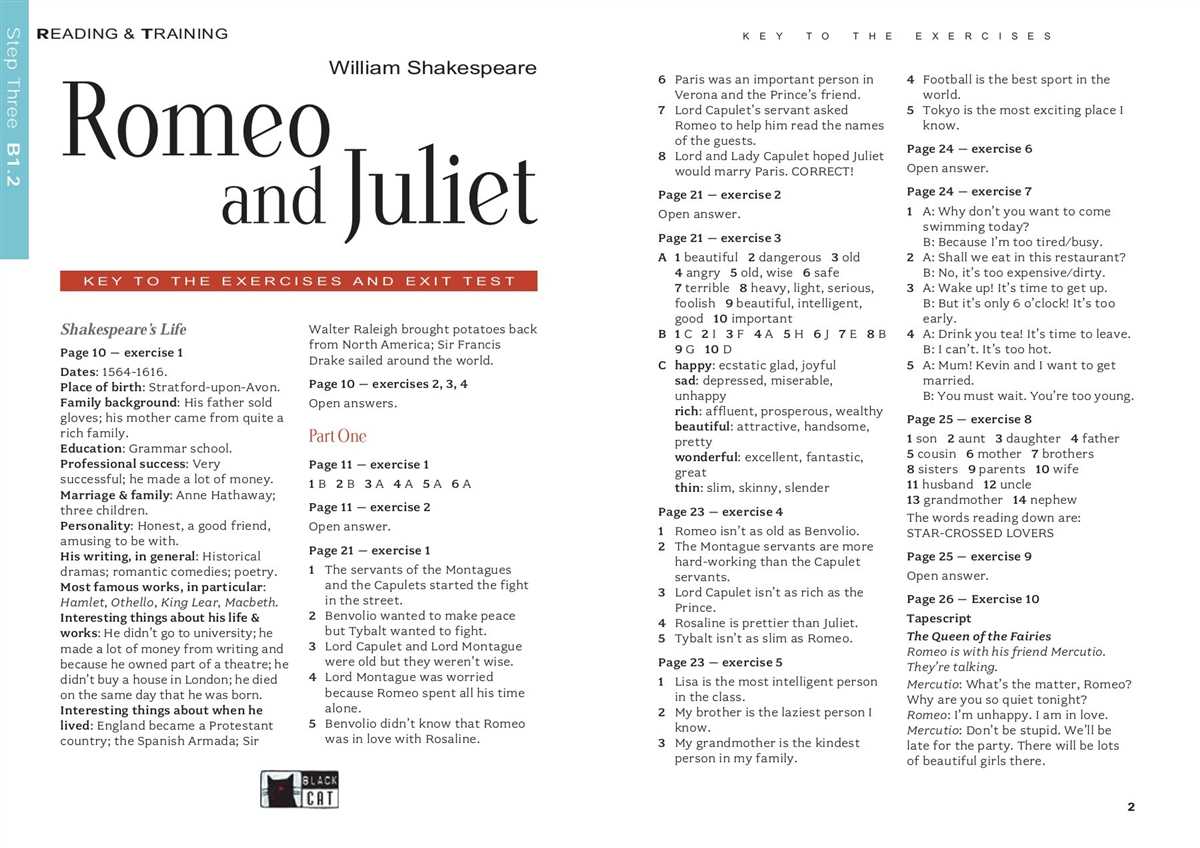
Act 2 of “Romeo and Juliet” explores several important themes and motifs that drive the plot forward and provide deeper insight into the characters’ emotions and actions. One major theme is love, which is explored through the passionate and forbidden romance between Romeo and Juliet.
The theme of love is apparent in the balcony scene, where Romeo and Juliet express their deep affection for each other despite the obstacles standing in their way. This scene highlights the intensity of their love and the power it has to transcend societal expectations. The motif of light and darkness is also present in Act 2, symbolizing the secrecy and danger of their relationship. Romeo compares Juliet to the sun, suggesting that she brings light and warmth into his life, while Juliet worries that their love is too sudden and bright like lightning.
The theme of fate is another important element in Act 2, as it plays a significant role in the lovers’ tragic journey. Romeo and Juliet believe that they are destined to be together, and this belief influences their actions and decisions. The motif of dreams is also present in Act 2, with both Romeo and Juliet having premonitions of their impending doom. These dreams foreshadow the tragic events that will unfold in the later acts.
Additionally, Act 2 explores the theme of passion versus reason. Romeo and Juliet’s desire for each other overpowers their rational thinking, leading them to make impulsive choices with severe consequences. The motif of time is also present, as the lovers are acutely aware of the limited time they have to be together before their families discover their secret relationship. This sense of urgency heightens the tension and adds a sense of impending tragedy to the play.
In conclusion, Act 2 of “Romeo and Juliet” delves into various themes and motifs that contribute to the development of the plot and the complex emotions of the characters. Love, fate, passion versus reason, and the passage of time are just a few of the themes and motifs that Shakespeare explores, adding depth and complexity to the story of Romeo and Juliet’s ill-fated romance.
Discussion Questions for Act 2
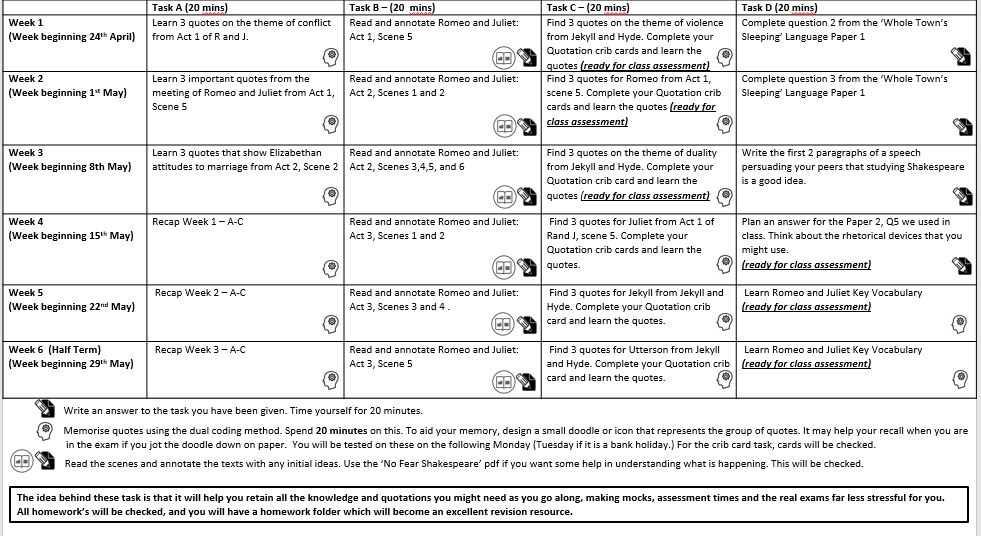
In Act 2 of Shakespeare’s Romeo and Juliet, the stakes continue to rise as the young lovers navigate the challenges of their secret romance. This act is marked by the famous balcony scene, where Romeo professes his love for Juliet under the cover of darkness. It also introduces additional conflicts and complications, ultimately setting the stage for the tragic events to come. Here are some discussion questions to consider as you explore Act 2:
- What role does secrecy play in the play?
- How does Shakespeare use language and imagery to convey the passion between Romeo and Juliet?
- What role do the supporting characters play in Act 2?
- What conflicts arise in Act 2, and how are they resolved?
- How does the theme of fate develop in Act 2?
The theme of secrecy is prevalent throughout Act 2. Consider how Romeo and Juliet’s love must remain hidden due to their feuding families. Explore the consequences of this secrecy and how it affects the characters’ actions.
The balcony scene is filled with rich, poetic language and vivid imagery. Discuss specific examples and analyze how they contribute to the portrayal of the intense emotions shared by Romeo and Juliet.
While Romeo and Juliet take center stage, Act 2 also introduces and develops other characters, such as Mercutio and the Nurse. Explore their roles in the play and how they influence the actions of the main characters.
Act 2 brings about new conflicts, such as the discovery of Romeo and Juliet’s love by Friar Laurence and the continued tension between the Montagues and Capulets. Examine how these conflicts are addressed and whether they are ultimately resolved or escalated.
Fate is a recurring motif in Romeo and Juliet, and Act 2 further explores this theme. Discuss the instances where fate seems to intervene and shape the characters’ lives, and consider the implications of their belief in destiny.
As you discuss these questions, pay attention to the language, character development, and themes present in Act 2. Shakespeare’s masterful storytelling and exploration of love, fate, and secrecy provide ample opportunity for thoughtful analysis and interpretation.
Q&A:
What is the main conflict in Act 2?
The main conflict in Act 2 is the tension between Macbeth’s ambition and his guilt. He continues to commit heinous acts to secure his power, but at the same time, he is plagued by visions and guilt that prevent him from finding peace.
How does Lady Macbeth’s character change in Act 2?
In Act 2, Lady Macbeth’s character becomes more remorseful and unstable. She is heavily burdened by guilt and is overwhelmed by the consequences of their actions. Her sleepwalking scene is a clear representation of her deteriorating mental state.
What role does the supernatural play in Act 2?
The supernatural plays a significant role in Act 2. The witches’ prophecies and the appearance of Banquo’s ghost add an element of supernatural dread and foreshadow the violent events that will unfold. The supernatural forces drive Macbeth to further madness and paranoia.
What does the murder of Duncan represent in Act 2?
The murder of Duncan represents the point of no return for Macbeth. It symbolizes the complete surrender to his ambition and sets in motion a chain of violent events that will eventually lead to his downfall.
How does Macbeth’s character change in Act 2?
In Act 2, Macbeth’s character becomes more ruthless and power-hungry. He is willing to do anything, including murder, to achieve his ambitions. However, he also becomes increasingly tormented by guilt and haunted by his actions, showing internal conflicto between his ambition and his morality.
What is the main conflict in Act 2?
The main conflict in Act 2 revolves around the love triangle between Romeo, Juliet, and Paris. Juliet’s parents want her to marry Paris, but she is already married to Romeo and is unwilling to go against her true feelings.