Exploring Macbeth Act 2 Scene 3: Answering Your Burning Questions
Welcome to our analysis of Act 2, Scene 3 of Shakespeare’s famous tragedy, Macbeth. In this scene, the play takes a dark turn as the consequences of Macbeth’s decision to murder King Duncan begin to unfold. Macbeth’s guilt and paranoia are heightened as the events of the night unravel, leaving him and Lady Macbeth with a mounting sense of dread and uncertainty.
As we delve into the questions and answers of this scene, we will explore the themes of guilt, deception, and the corrupting influence of power. We will examine the motivations and actions of Macbeth and Lady Macbeth, and analyze how their choices ultimately lead to their downfall.
Some of the key questions we will explore include: What is the significance of Macbeth’s hallucination of the bloody dagger? How does the porter’s comedic monologue provide a momentary respite from the tension of the scene? And what do Macduff and Lennox’s reactions to the discovery of King Duncan’s murder reveal about their characters?
By examining the intricate details of this scene, we hope to gain a deeper understanding of the complex themes and characters in Macbeth, and gain insight into Shakespeare’s exploration of the human condition. So grab your copy of the play and join us as we unravel the mysteries of Macbeth Act 2 Scene 3.
Macbeth Act 2 Scene 3 Questions and Answers
In Act 2 Scene 3 of Shakespeare’s play “Macbeth,” Macduff arrives at Macbeth’s castle and discovers Duncan’s dead body. This scene raises several important questions about the murder, the motives of the characters involved, and the consequences of their actions. Let’s explore some of these questions and their possible answers.
1. Who is responsible for King Duncan’s murder?
Macbeth is ultimately responsible for planning and carrying out the murder of King Duncan. However, Lady Macbeth is also implicated as she encouraged and manipulated Macbeth into committing the act. It is a joint effort between the two characters.
2. Why did Macbeth kill King Duncan?
Macbeth kills King Duncan because he is driven by ambition and the prophecy of the witches that he will become king. He is persuaded by Lady Macbeth’s ruthless ambition and desire for power, and he believes that killing Duncan is the only way to secure the throne.
3. What are the consequences of Duncan’s murder?
The consequences of Duncan’s murder are far-reaching. Macbeth becomes consumed by guilt and paranoia, leading to a series of murders to protect his throne. The country falls into chaos and disorder, and Macbeth’s rule becomes tyrannical. Ultimately, Macbeth’s actions lead to his own downfall.
4. How does Macduff react to Duncan’s murder?
Macduff is shocked and horrified by the discovery of Duncan’s lifeless body. He immediately suspects foul play and realizes that the situation is dire. Macduff becomes determined to uncover the truth and bring the culprits to justice.
5. What does this scene reveal about the characters?
This scene reveals the extent of Macbeth and Lady Macbeth’s ambition and ruthlessness. It also shows the stark contrast between their actions and Macduff’s sense of justice and loyalty to the rightful king. The scene sets the stage for the escalating conflicts and tragic events that will unfold in the rest of the play.
6. What themes are explored in Act 2 Scene 3?
Some of the major themes explored in this scene include ambition, the corrupting influence of power, guilt, and the consequences of unchecked ambition. It also raises questions about the nature of justice and the value of honor and loyalty.
Overall, Act 2 Scene 3 of “Macbeth” offers a crucial turning point in the play. It highlights the moral decay and consequences of ambition and power, setting the stage for the tragic events that follow.
The Porter and His Purpose in Macbeth Act 2 Scene 3

In Macbeth Act 2 Scene 3, the Porter is discovered as a character who provides comic relief amidst the intense and dark atmosphere of the play. The Porter’s purpose in this scene is to break the tension and provide a moment of humor for the audience.
When the Porter is introduced, he is shown as a drunken and comical character, making jokes and puns. His appearance provides a stark contrast to the previous scenes, which involve murder and betrayal. The Porter’s purpose is to provide temporary relief and light-heartedness before the audience is once again consumed by the darkness of the play.
The Significance of the Knocking at the Gate
The knocking at the gate in Act 2, Scene 3 of Macbeth holds great significance as it marks the dramatic climax of the scene and symbolizes the collapse of Macbeth’s sanity. The sleepwalking Lady Macbeth, consumed by guilt over their murderous actions, is unable to escape the haunting sound of the knocking.
Symbolism: The knocking at the gate serves as a powerful symbol of the guilt and consequences that Macbeth and Lady Macbeth cannot escape. It represents the intrusion of the external world into their personal hell, reminding them of the horrors they have committed.
Tension and Suspense: The knocking builds tension and suspense as it comes at a crucial moment in the play, just after Macbeth has murdered Duncan. The audience is left in anticipation, wondering who is at the door and what the consequences of their actions will be.
Macbeth’s Fragile Mental State: The persistent knocking serves as a trigger for Macbeth’s descent into madness. As he hears the knocking, Macbeth’s guilt and paranoia intensify, and he becomes increasingly paranoid about being discovered. The knocking represents Macbeth’s inability to escape the guilt that plagues his mind.
Ironic Contrast: The knocking at the gate also creates an ironic contrast between the peacefulness of the outside world and the chaos within Macbeth’s castle. While the outside world remains oblivious to the evil that transpires inside the castle walls, the knocking serves as a stark reminder of the darkness that lurks within.
Final Thoughts: The knocking at the gate in Act 2, Scene 3 of Macbeth is a pivotal moment in the play, emphasizing the guilt, consequences, and mental breakdown of the characters. It symbolizes the intrusion of reality into the characters’ lives and highlights the inevitable collapse of Macbeth’s sanity.
How does Macbeth’s behavior in this scene reflect his guilt?
Macbeth’s behavior in Act 2 Scene 3 of Shakespeare’s Macbeth reflects his overwhelming guilt over the murder of King Duncan. From the very beginning of the scene, Macbeth is visibly agitated and disturbed by what he has done. He is unable to control his emotions and his guilty conscience is evident through his erratic behavior.
During the scene, Macbeth’s guilt becomes apparent through his constant repetition of the word “Amen” and his inability to say “God bless us” after committing such a heinous act. His guilty conscience prevents him from finding any peace or solace in religion, as he feels unworthy of forgiveness. Macbeth’s guilt is further emphasized by his hallucination of a bloody dagger, symbolizing the guilt that he carries with him. This visual manifestation of his guilt shows the extent to which Macbeth’s conscience torments him.
In addition, Macbeth’s behavior in this scene reflects his guilt through his interactions with Lady Macbeth. He is unable to hide his guilt from her, despite his attempts to act normal. He confesses that he has heard voices saying “sleep no more”, revealing his troubled state of mind. Lady Macbeth, on the other hand, seems unperturbed by their actions, further highlighting Macbeth’s internal struggle and guilt.
In conclusion, Macbeth’s behavior in Act 2 Scene 3 clearly reflects his overwhelming guilt. His agitated state, repetitive speech, and hallucinations all demonstrate the torment he feels as a result of his actions. Furthermore, his inability to hide his guilt from Lady Macbeth reveals the depth of his internal struggle. Shakespeare masterfully portrays Macbeth’s guilt in this scene, highlighting the consequences of his tragic ambition.
Why does Macduff suspect foul play when he arrives at the castle?
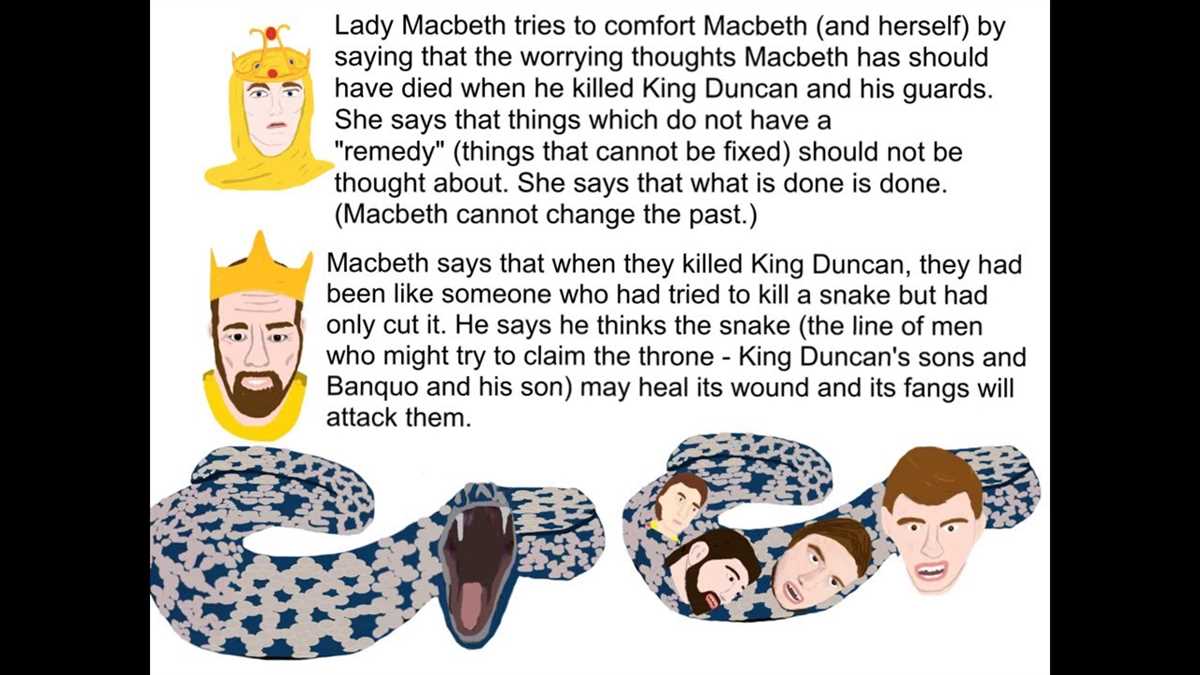
When Macduff arrives at the castle, he immediately senses that something is amiss. He is greeted by Lennox, who hints at the discomforting events of the night. Macduff notices the eerie silence that hangs in the air, disturbingly contrasting with the usual bustling atmosphere of a palace. This silence, coupled with Lennox’s grim demeanor, raises Macduff’s suspicions and leads him to question what has transpired within the walls of the castle.
Furthermore, Macduff’s suspicion intensifies when he encounters Macbeth, who seems on edge and guarded. Macbeth’s disheveled appearance, bloodied hands, and anxious behavior raise red flags for Macduff. He is aware that Macbeth had a motive to commit treacherous acts in order to secure the throne, and these signs suggest that his suspicions might be justified.
In addition, Macduff’s intuition is further fueled when he stumbles upon the lifeless body of King Duncan. The sight of Duncan’s murder turns Macduff’s suspicion into certainty, as he realizes that foul play has indeed taken place. The shock and horror of discovering the slain king in his chamber solidify Macduff’s resolve to uncover the truth and seek justice for Duncan’s untimely demise.
In summary, Macduff suspects foul play when he arrives at the castle due to the unsettling silence, the behavior of the inhabitants, and the discovery of King Duncan’s lifeless body. These factors combine to create a sense of foreboding and lead Macduff to believe that something sinister has occurred within the once seemingly peaceful walls of the castle.
What does Lennox’s speech reveal about the events of the previous night?
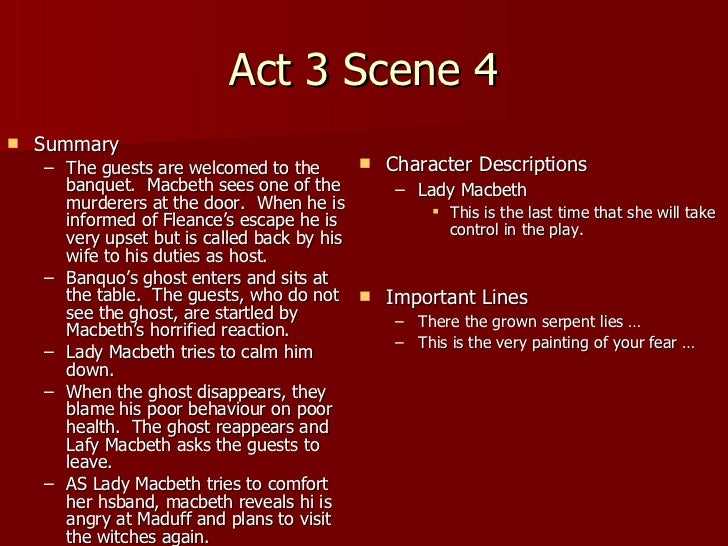
Lennox’s speech in Macbeth Act 2 Scene 3 reveals several important details about the events of the previous night. Firstly, he mentions that Duncan, the king of Scotland, was found dead in his bedchamber. This immediately raises suspicion and creates an atmosphere of mystery and intrigue. Lennox also comments on how the night was unusually chaotic with various natural phenomena occurring, such as a falcon being killed by an owl and horses breaking loose and going wild. These abnormal occurrences add to the sense of foreboding surrounding Duncan’s death.
In addition, Lennox reveals that Duncan’s sons, Malcolm and Donalbain, fled the scene immediately after their father’s murder. This information suggests that they may have been involved in the plot or at least suspected foul play. Lennox expresses his suspicions about the chamberlains who were guarding Duncan, implying that they may have been complicit in the crime. This raises questions about the loyalty and integrity of those close to the king.
Overall, Lennox’s speech provides crucial insight into the events of the previous night. It sets the stage for the unfolding of the tragic consequences that will ensue as Macbeth takes on the throne and attempts to maintain his power amidst suspicion and betrayal. The speech establishes a sense of unease and uncertainty, foreshadowing the dark path Macbeth and his accomplices will embark upon.
Conclusion
In Macbeth, Act 2 Scene 3 plays a significant role in showcasing the theme of guilt and deception. The scene contributes to the overall theme by highlighting the consequences of Macbeth and Lady Macbeth’s actions and the weight of their guilt.
Through the portrayal of the drunken porter and his dark humor, Shakespeare creates a contrast between the light-heartedness of the porter and the heavy guilt that Macbeth and Lady Macbeth are burdened with. This contrast emphasizes the moral decay and deception that has taken hold of Macbeth and his wife.
This scene also serves as a turning point for Macbeth’s moral compass. The discovery of Duncan’s murder by Macduff and the ensuing chaos further emphasize the guilt Macbeth feels. Shakespeare uses this scene to show the audience the consequences of guilt and deception, and the unraveling of Macbeth’s sanity.
Overall, Act 2 Scene 3 in Macbeth deepens the theme of guilt and deception by showcasing the psychological impact of their actions on Macbeth and Lady Macbeth. It serves as a powerful reminder of the consequences of immoral choices and the destructive power of guilt.