10 Common Questions and Answers for Mandated Reporters

Mandated reporters play a crucial role in protecting vulnerable populations, such as children, the elderly, and individuals with disabilities, from abuse and neglect. These professionals are required by law to report any suspected incidents to the appropriate authorities, ensuring that those in need receive the necessary support and intervention.
Despite the importance of their role, mandated reporters often face challenges when it comes to fulfilling their responsibilities. Confusion and uncertainty regarding what constitutes abuse or neglect, fears of retaliation, and concerns about potential negative consequences for themselves or the individuals involved can all hinder the reporting process.
In this article, we will address some of the most common questions and concerns that mandated reporters may have. We aim to provide clarity and guidance on reporting procedures, legal obligations, and available resources, empowering these professionals to fulfill their crucial role effectively and confidently.
Mandated Reporter Answers

Mandated reporters play a critical role in protecting vulnerable populations, such as children, from abuse and neglect. These professionals, including teachers, doctors, social workers, and law enforcement officers, are required by law to report any suspected cases of abuse or neglect to the appropriate authorities. These reports are essential in ensuring the safety and well-being of those who may be at risk.
When faced with a situation that raises concerns, mandated reporters are expected to follow specific guidelines for reporting. It is important for them to document any observations or disclosures made by the child or individuals involved. The information should be reported as soon as possible to the designated agency or child protective services. Being thorough and accurate in their reports is crucial, as it helps authorities assess the situation and take appropriate action.
One common question that mandated reporters may have is, “What should I do if I am unsure about whether to report?” In such cases, it is always better to err on the side of caution and report the suspicions. Mandated reporters are not expected to have definitive proof of abuse or neglect; their role is to report any concerns they have and let the proper authorities investigate further. It is better to report a situation that turns out to be unfounded than to ignore a potential case of abuse or neglect.
Another important aspect for mandated reporters to consider is the importance of confidentiality. While it is crucial to respect individuals’ privacy, the safety and well-being of the child should always take priority. Confidentiality should be maintained to the extent possible, but it should not be a barrier to reporting suspicions of abuse or neglect. Mandated reporters should never promise confidentiality to those involved and should explain the need to report for the child’s protection.
In conclusion, mandated reporter answers revolve around being vigilant, documenting observations and disclosures accurately, reporting suspicions promptly, prioritizing the child’s safety, and understanding the balance between confidentiality and reporting. By following these guidelines, mandated reporters can fulfill their crucial role in protecting vulnerable populations and contribute to creating a safer environment for children and others at risk of abuse or neglect.
What is a mandated reporter?

A mandated reporter is an individual who is required by law to report any suspected or known cases of child abuse or neglect to the appropriate authorities. These individuals are typically professionals who have regular contact with children, such as teachers, doctors, social workers, and child care providers. The purpose of mandating reporters to report is to ensure the safety and well-being of children, as they may be more vulnerable and unable to protect themselves.
The role of a mandated reporter is crucial in identifying and addressing cases of child abuse or neglect at an early stage. Once they become aware of any suspicion or knowledge of abuse, they are legally obligated to report it, even if it is just a suspicion. This requirement stems from the belief that early intervention can prevent further harm and provide support to the child and their family.
When a mandated reporter suspects or knows of child abuse or neglect, they usually must report it to their local child protective services or law enforcement agency. The specifics of reporting requirements may vary by jurisdiction, but generally, mandated reporters are expected to provide as much detail as possible about the child, their living situation, and the nature of the suspected abuse. Confidentiality is an important consideration, and mandated reporters are typically protected from liability if they make a report in good faith.
- Mandated reporters play a critical role in protecting children from abuse and neglect.
- They are professionals who have regular contact with children.
- They have a legal obligation to report any suspected or known cases of abuse or neglect.
- Reporting requirements may vary by jurisdiction, but generally, they must report to local child protective services or law enforcement.
- Confidentiality is an important consideration, and they are protected from liability if they make a report in good faith.
Who is required to be a mandated reporter?

In many jurisdictions, certain professionals and individuals are legally required to be mandated reporters. These individuals have a legal obligation to report suspected cases of child abuse or neglect. The exact list of mandated reporters varies from state to state, but typically includes:
- Teachers and other school personnel
- Healthcare providers
- Social workers
- Childcare providers
- Law enforcement officers
- Psychologists and counselors
- Medical examiners
- Foster parents
- Corrections and probation officers
These individuals are often in positions of trust and authority and have frequent contact with children. They are mandated reporters because they are in a unique position to identify signs of abuse or neglect and are therefore legally required to report any suspicions to the appropriate authorities.
It is important to note that mandated reporters are not expected to investigate or prove allegations of abuse or neglect. Their role is simply to report any suspicions or concerns they have to the appropriate child protective services agency. It is then up to the agency to conduct a thorough investigation and take appropriate action to ensure the safety and well-being of the child or children involved.
Responsibilities of a Mandated Reporter
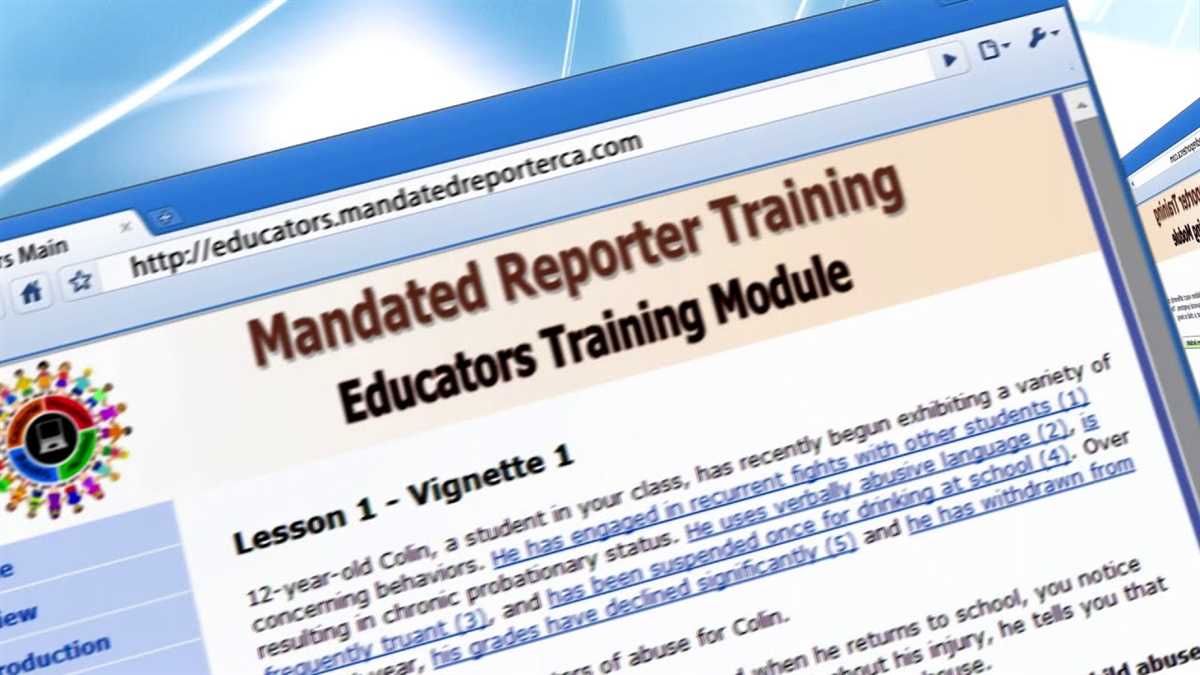
Mandated reporters play a crucial role in ensuring the safety and well-being of vulnerable populations. Whether they are educators, healthcare professionals, or social workers, these individuals are obligated by law to report any suspected instances of abuse or neglect. Their responsibilities are clear and non-negotiable.
Identifying Abuse and Neglect: One of the primary responsibilities of a mandated reporter is to recognize signs of abuse or neglect. This may include physical injuries, unusual behavior, or changes in a person’s emotional well-being. Mandated reporters have a duty to maintain a heightened sense of awareness and be able to differentiate between accidental injuries and those that could be a result of abuse.
Reporting to the Appropriate Authorities: Once abuse or neglect is suspected, mandated reporters must promptly report their concerns to the appropriate authorities. This typically involves contacting local law enforcement or the relevant child protective services agency. Mandated reporters must provide detailed information about their observations, including dates, times, locations, and any individuals involved.
Documenting and Maintaining Confidentiality: In addition to reporting their concerns, mandated reporters are required to document the incident thoroughly. This documentation should include any relevant details and observations made leading up to the suspicion of abuse or neglect. It is crucial for reporters to handle this information with the utmost confidentiality, sharing it only with authorized individuals involved in the investigation or intervention process.
Collaborating with Other Professionals: Mandated reporters often need to work closely with other professionals involved in the protection and support of the individuals in question. This may include law enforcement officers, child protective services workers, medical professionals, and social workers. Cooperation and information sharing are vital to ensure a comprehensive response and to prioritize the safety and well-being of the individuals involved.
- Overall, the responsibilities of a mandated reporter are aimed at promptly identifying abuse or neglect, reporting it to the appropriate authorities, and collaborating with other professionals to safeguard vulnerable individuals.
- By understanding and fulfilling their obligations, mandated reporters contribute to the prevention and intervention of abusive situations and help create a safer environment for those at risk.
What happens if a mandated reporter fails to report?
When a mandated reporter fails to report suspected abuse or neglect, serious consequences can ensue. The primary purpose of mandated reporting laws is to ensure the safety and well-being of vulnerable individuals, such as children, elderly adults, and individuals with disabilities. By failing to fulfill their legal obligation, mandated reporters can put these individuals at continued risk.
Failure to report as a mandated reporter can result in legal and professional consequences. Legally, mandated reporters who fail to report may face criminal charges, such as misdemeanor or felony charges, depending on the severity of the situation and the jurisdiction’s laws. These charges can lead to fines, probation, or even imprisonment. Additionally, mandated reporters may be civilly liable for any harm caused to the victim due to their failure to report.
Professionally, the failure to report can have significant repercussions. Mandated reporters who fail to report may face disciplinary action by their professional licensing boards or employers. This can range from reprimands and suspensions to loss of licensure or termination of employment. Moreover, the failure to report can harm the professional reputation and credibility of the mandated reporter.
Mandated reporting laws exist to protect the most vulnerable populations in society, and failure to fulfill this responsibility can have lasting and detrimental effects. It is crucial for mandated reporters to understand their legal obligations and the potential consequences of failing to report. Reporting suspicions of abuse or neglect is a critical step in safeguarding the well-being of individuals who cannot advocate for themselves.
How to become a mandated reporter?
Being a mandated reporter is an important responsibility that requires specific knowledge and training. In order to become a mandated reporter, individuals must first understand the legal requirements and criteria that determine who is mandated to report suspected child abuse or neglect. These criteria may vary by state, but generally include professionals who have frequent contact with children, such as teachers, doctors, child care providers, and social workers.
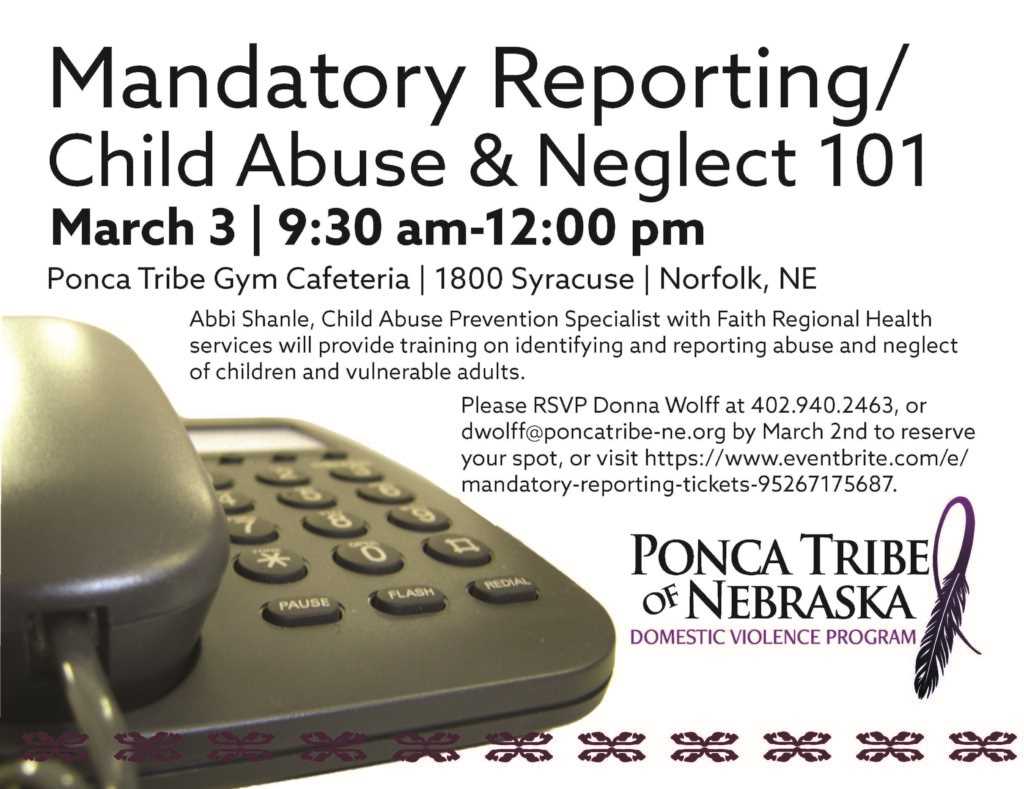
Once the eligibility criteria are met, individuals can become mandated reporters by completing the necessary training and certification program. This training typically covers topics such as identifying signs of abuse, understanding reporting obligations and processes, and learning how to handle confidential information. Mandated reporter training programs are usually offered by government agencies, professional organizations, or online platforms, and can vary in duration and format.
During the training, individuals are educated on the legal and ethical responsibilities of a mandated reporter. They learn about the different types of abuse and neglect, including physical, sexual, emotional, and neglectful acts, as well as the indicators that may suggest the presence of such maltreatment. The training also emphasizes the importance of documenting observations and disclosing information to the appropriate authorities in a timely manner.
In addition to the initial training, mandated reporters are often required to undergo regular refreshers or continuing education to stay updated on any changes in reporting laws or practices. This ensures that they are equipped with the most current knowledge and skills necessary to fulfill their obligations as mandated reporters. By actively participating in ongoing education and staying informed, mandated reporters can contribute to the well-being and safety of children in their communities.
Conclusion

As mandated reporters, it is important to understand the resources available to us in order to fulfill our responsibilities effectively. By utilizing these resources, we can ensure the safety and well-being of the individuals we serve.
Training programs: Mandated reporters can attend training programs offered by various organizations and agencies. These programs provide valuable information and guidance on how to recognize and report instances of abuse or neglect.
Hotlines: Various hotlines are available for mandated reporters to report suspected cases of abuse or neglect. These hotlines are staffed with professionals who are trained to handle such reports and can provide guidance and support throughout the reporting process.
Websites and online resources: Mandated reporters can access websites and online resources that provide information on reporting requirements, signs of abuse or neglect, and available support services. These resources can serve as a reference and help mandated reporters fulfill their reporting obligations.
Collaboration with other professionals: Mandated reporters can collaborate with other professionals, such as social workers, counselors, or teachers, to gather information and ensure a comprehensive approach to addressing suspected cases of abuse or neglect. This collaboration can provide valuable insights and support in making informed decisions about reporting.
Supervisory support: Mandated reporters can seek guidance and support from their supervisors or employers. Supervisors can provide advice, assistance, and direction in handling complex or difficult cases, ensuring that mandated reporters have the necessary resources and support to fulfill their reporting obligations.
By utilizing these resources, mandated reporters can actively contribute to the prevention and intervention efforts against abuse and neglect. It is essential that we stay up-to-date with the available resources and continuously educate ourselves to ensure the safety and well-being of those we serve.