Everything You Need to Know: OSHA 10 Questions and Answers

Looking to learn more about OSHA 10? In this article, we’ve compiled a list of frequently asked questions to help you better understand what OSHA 10 is and how it can benefit you.
OSHA 10 is a training program conducted by the Occupational Safety and Health Administration (OSHA) to educate workers on various safety and health hazards in the workplace. It is designed to provide entry-level workers with the knowledge and skills they need to identify and prevent workplace hazards.
Some of the questions we will be answering include: What is OSHA 10 training? Who needs to take OSHA 10? What are the benefits of OSHA 10? How long is OSHA 10 training? And many more! So, if you’re interested in learning more about OSHA 10, keep reading!
Osha 10 Questions and Answers

Welcome to our guide on OSHA 10 questions and answers. OSHA, or the Occupational Safety and Health Administration, is an agency of the United States Department of Labor. OSHA’s mission is to ensure safe and healthy working conditions for employees by setting and enforcing workplace safety standards. The OSHA 10 training program is designed to educate workers about common workplace hazards and their rights to a safe work environment.
1. What is OSHA 10?
OSHA 10 is a training program that provides an overview of common workplace hazards and safety practices. It is designed for employees in industries such as construction, manufacturing, and healthcare. The training consists of 10 hours of instruction and covers topics such as fall protection, personal protective equipment, and hazard communication.
2. Who needs OSHA 10 training?
OSHA 10 training is recommended for all workers in industries that pose hazards to their safety and health. While not all employers require OSHA 10 certification, having this training on your resume can be beneficial when applying for jobs. Some employers may also require OSHA 10 training as a condition of employment.
3. How can I get OSHA 10 certified?
To become OSHA 10 certified, you must complete the 10-hour training program through an authorized OSHA training provider. These providers may offer the training in-person or online. It is important to choose a reputable provider that is recognized by OSHA.
4. Is OSHA 10 training mandatory?
While OSHA 10 training is not mandatory in all industries, some employers may require it as a condition of employment. Additionally, certain states have their own regulations that mandate OSHA 10 training for specific industries or occupations.
5. How long is OSHA 10 certification valid?
OSHA 10 certification does not expire. Once you have completed the training program and received your certificate, it is valid for life. However, it is always a good idea to refresh your knowledge and stay up to date with any changes in workplace safety regulations.
In conclusion, OSHA 10 training is an important step for workers in industries with potential hazards. By completing this training, workers can enhance their knowledge of workplace safety and contribute to creating a safer working environment.
What is Osha 10?

The Occupational Safety and Health Administration (OSHA) is a federal agency that sets and enforces safety and health standards in the workplace. OSHA 10 is a training program designed to educate workers on the basics of occupational safety and health. It covers a wide range of topics, including hazard identification, personal protective equipment, emergency planning, and more.
The OSHA 10 training program is typically conducted over a period of 10 hours, which can be completed online or in a traditional classroom setting. It is aimed at workers in industries such as construction, manufacturing, and healthcare, where the risk of workplace injuries and illnesses may be higher.
During the OSHA 10 training, participants learn about their rights and responsibilities as workers, as well as the rights and responsibilities of their employers. They also learn how to identify potential hazards in the workplace, how to prevent accidents and injuries, and what to do in case of an emergency.
The OSHA 10 training program is recognized and accepted by many employers and industries as a valuable credential for workers. It demonstrates that an individual has received training and education in occupational safety and health, and can contribute to creating a safer work environment.
Overall, OSHA 10 is an important program that helps to ensure the well-being of workers by providing them with the knowledge and skills needed to stay safe on the job.
Overview of Osha 10 training and its purpose

The OSHA 10 training program is a comprehensive safety training course designed to educate workers on their rights and responsibilities under the Occupational Safety and Health Administration (OSHA) regulations. The training is geared towards workers in the construction industry, but it is also applicable to a wide range of other industries.
The main purpose of the OSHA 10 training is to promote workplace safety and reduce the number of accidents, injuries, and fatalities on job sites. The course covers a variety of topics, including hazard recognition, fall protection, electrical safety, personal protective equipment (PPE), and more. It provides workers with the knowledge and skills necessary to identify and mitigate workplace hazards and to ensure a safe and healthy work environment.
The OSHA 10 training program consists of 10 hours of coursework, which can be completed online or in a traditional classroom setting. Participants are required to pass a final exam at the end of the training in order to receive their OSHA 10 card, which is a widely recognized credential in the industry. The training is typically provided by authorized trainers who have been trained and certified by OSHA.
By completing the OSHA 10 training, workers gain a basic understanding of their rights and responsibilities under OSHA regulations, as well as the necessary skills to identify and address potential hazards in the workplace. This helps create a culture of safety within organizations and promotes a safer and more productive work environment for all employees.
Benefits of OSHA 10 training

There are several benefits to completing the OSHA 10 training. Firstly, it helps reduce the risk of workplace accidents and injuries, which can lead to financial losses for both employers and employees. By understanding and following OSHA regulations, workers can take proactive measures to prevent accidents and protect themselves and their coworkers.
Furthermore, OSHA 10 training is often required by many employers and contractors in order to work on certain job sites. Having a valid OSHA 10 card demonstrates that a worker has received the necessary training to work safely and is therefore more employable. This credential can also open doors to new job opportunities and career advancement.
In addition, OSHA 10 training enhances workers’ overall knowledge and understanding of safety principles and best practices, which can be applied not only in the workplace but also in their everyday lives. The training empowers workers to identify and address hazards in various environments, promoting safety and well-being beyond the confines of the job site.
In conclusion, OSHA 10 training plays a crucial role in promoting workplace safety and reducing accidents. It provides workers with the necessary knowledge and skills to identify and address hazards, and helps create a culture of safety within organizations. By completing the training, workers not only protect themselves and their coworkers but also enhance their employability and contribute to a safer society as a whole.
Who needs Osha 10 training?
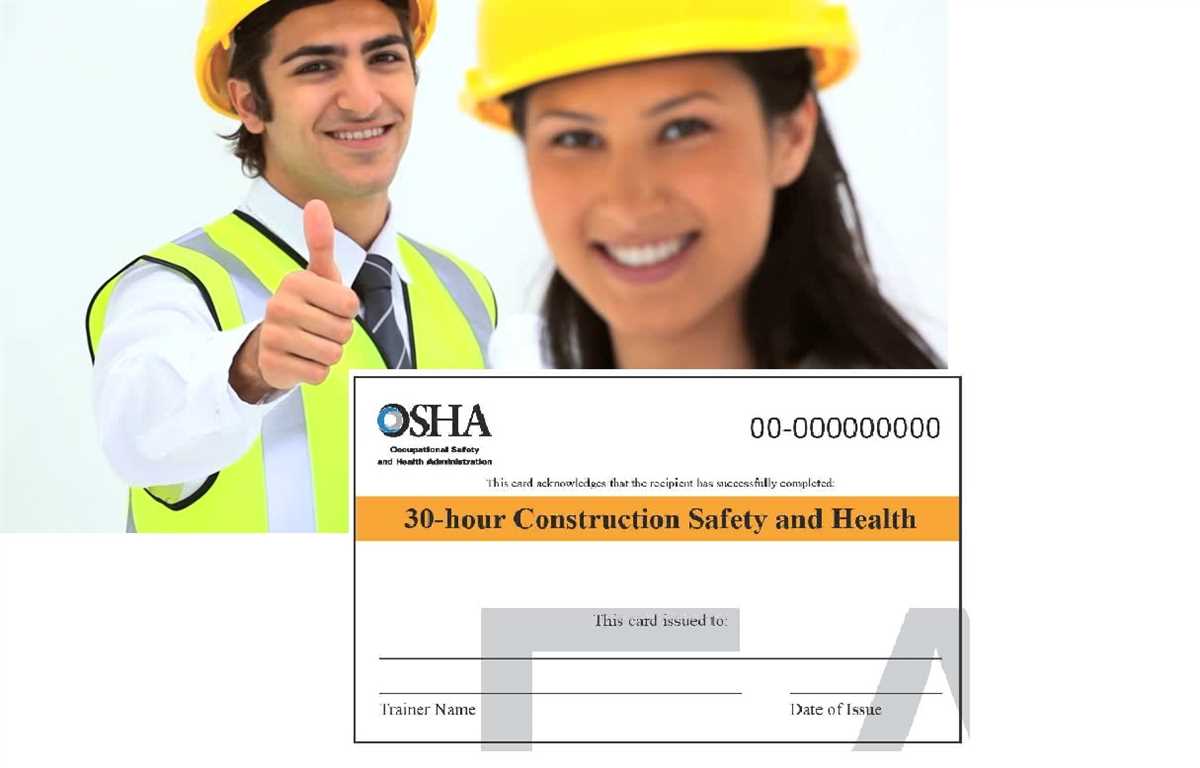
OSHA 10 training is required for workers in the construction industry who must perform tasks that involve exposure to construction hazards. This includes construction managers, supervisors, and workers who work on construction sites. Construction hazards can include falls, electrical shock, struck-by hazards, caught-in hazards, and more. OSHA 10 training is designed to educate workers about these hazards and provide them with the necessary knowledge and skills to work safely.
Additionally, OSHA 10 training is often required for workers in other industries who may encounter construction hazards as part of their job responsibilities. This can include workers in industries such as manufacturing, utilities, and maintenance. By completing OSHA 10 training, these workers can develop a better understanding of construction hazards and implement appropriate safety measures to protect themselves and their colleagues.
Furthermore, OSHA 10 training is recommended for individuals who are interested in pursuing a career in the construction industry or any other industry where construction hazards are present. Having OSHA 10 certification can enhance their job prospects and demonstrate their commitment to safety in the workplace. It also provides them with a solid foundation of knowledge and skills that can be further built upon through additional safety training and experience.
Explanation of who is required to complete OSHA 10 training
OSHA 10 training is a requirement for various individuals who work in industries or occupations that are considered high-risk for workplace accidents and hazards. It is crucial for these individuals to complete the OSHA 10 training to ensure their safety and the safety of others around them.
Employers are responsible for determining which employees are required to complete the OSHA 10 training based on their job functions and the potential risks they may encounter. This includes individuals working in construction, manufacturing, healthcare, transportation, and other industries where safety hazards are prevalent.
Here are some examples of who may be required to complete OSHA 10 training:
- Construction workers: This includes individuals involved in the construction of buildings, roads, bridges, and other infrastructure projects. As construction sites are known for their numerous hazards, OSHA 10 training is essential for these workers.
- Manufacturing employees: Those working in manufacturing plants and factories may come into contact with hazardous materials, heavy machinery, and other potential dangers. OSHA 10 training educates them on how to prevent accidents and handle these risks.
- Healthcare professionals: Nurses, doctors, and other healthcare workers often face occupational hazards such as exposure to infectious diseases and potential injuries from lifting patients. OSHA 10 training equips them with the knowledge to protect themselves and their patients.
- Transportation workers: Truck drivers, delivery personnel, and other transportation workers are exposed to risks such as vehicle accidents and material handling. OSHA 10 training helps them understand safety protocols and procedures specific to their industry.
While these are just a few examples, OSHA 10 training may be required for individuals in many other occupations and industries. It is important for employers to assess the potential risks involved in their specific workplace and ensure that all relevant employees complete the necessary training to maintain a safe work environment.
Benefits of completing Osha 10

Completing Osha 10 training has numerous benefits for individuals working in industries that require a strong emphasis on safety. This comprehensive training program provides participants with essential knowledge and skills to identify workplace hazards, prevent accidents, and promote a culture of safety.
1. Enhanced Safety Awareness: Osha 10 training equips participants with a deeper understanding of safety regulations and guidelines, enabling them to recognize potential hazards and take appropriate preventive measures. By increasing safety awareness, individuals can protect themselves and their coworkers from potential accidents and injuries.
2. Compliance with Regulations: Osha 10 certification demonstrates compliance with the Occupational Safety and Health Administration (OSHA) regulations. Many employers require their employees to have Osha 10 training to ensure their workforce is properly trained and knowledgeable in safety procedures. This certification can significantly enhance job prospects, as employers see value in hiring individuals who prioritize safety.
3. Reduced Workplace Accidents: Osha 10 training emphasizes accident prevention strategies, providing participants with the necessary skills to identify potential hazards and implement safety measures. By reducing workplace accidents and injuries, organizations can save on healthcare costs, workers’ compensation claims, and potential legal liabilities.
4. Improved Employee Morale: When employees feel safe and confident in their working environment, it positively impacts their morale and overall job satisfaction. Completing Osha 10 training shows employees that their employers prioritize their well-being and invest in their professional development. This leads to a more engaged and motivated workforce.
5. Advancement Opportunities: Osha 10 certification can open doors to advancement opportunities within industries that prioritize safety. Employers are more likely to promote individuals with Osha 10 training, as it demonstrates their commitment to safety and their ability to handle responsibilities in a safe and compliant manner.
In conclusion, completing Osha 10 training offers numerous benefits. It enhances safety awareness, ensures compliance with regulations, reduces workplace accidents, boosts employee morale, and provides advancement opportunities. Investing in Osha 10 training is an investment in creating a safer working environment for oneself and others.
Advantages and Advantages of Osha 10 Certification

1. Enhanced Safety Knowledge: Obtaining Osha 10 certification provides individuals with a comprehensive understanding of workplace safety regulations and best practices. It covers a wide range of topics, such as hazard recognition, fall protection, electrical safety, and personal protective equipment. This knowledge equips workers with the skills and awareness they need to identify potential hazards and proactively address them, ensuring a safer work environment for themselves and their colleagues.
2. Increased Employability: Osha 10 certification is widely recognized and respected in the industry. Holding this certification gives individuals a competitive edge when seeking employment in industries such as construction, manufacturing, and general industry. Employers tend to prioritize candidates who possess Osha 10 certification, as it demonstrates their commitment to workplace safety and their ability to contribute to a hazard-free work environment.
3. Compliance with Regulations: Osha 10 certification is designed to align with the Occupational Safety and Health Administration (OSHA) regulations and standards. By earning this certification, individuals ensure they are knowledgeable about the rights and responsibilities outlined in these regulations. This compliance significantly reduces the risk of costly fines and penalties for both individuals and employers, as they can demonstrate their commitment to maintaining a safe workplace.
4. Improved Risk Management: The Osha 10 training program equips individuals with the necessary tools to identify and mitigate potential risks within their work environment. It teaches them how to conduct risk assessments, develop safety plans, and implement preventive measures. By doing so, individuals can significantly reduce the likelihood of accidents, injuries, and property damage, thereby minimizing financial losses and enhancing overall risk management.
5. Empowered Workforce: Osha 10 certification fosters a culture of safety within organizations. Employees who possess this certification are more likely to take safety precautions seriously and serve as role models for their colleagues. They become empowered to actively participate in workplace safety activities, such as safety inspections, incident reporting, and promoting safety awareness. This empowerment creates a safer and more collaborative work environment where employees actively contribute to maintaining a hazard-free workplace.
In conclusion, Osha 10 certification offers numerous advantages and benefits, including enhanced safety knowledge, increased employability, compliance with regulations, improved risk management, and an empowered workforce. It is an essential credential for individuals seeking to prioritize workplace safety and contribute to a culture of safety within their organizations.
What topics are covered in Osha 10 training?

The Osha 10 training program covers a wide range of essential topics for workplace safety and health. It is designed to provide employees with the knowledge and skills needed to identify and prevent potential hazards in the workplace. The training program is divided into various modules, each focusing on different areas of safety and health.
The topics covered in Osha 10 training include:
- Introduction to Osha: This module provides an overview of the Occupational Safety and Health Administration (Osha), its mission, and its role in ensuring workplace safety.
- Hazard Recognition and Prevention: This module covers the identification and control of common workplace hazards, including physical, chemical, and biological hazards.
- Walking and Working Surfaces: This module addresses the importance of maintaining safe walking and working surfaces, such as floors, stairs, and platforms, to prevent slips, trips, and falls.
- Ergonomics: This module focuses on the proper ergonomic practices and techniques to prevent musculoskeletal disorders and injuries caused by repetitive tasks or poor workstation setup.
- Electrical Safety: This module covers basic electrical safety principles, including the use of personal protective equipment (PPE), proper grounding, and safe work practices.
- Personal Protective Equipment: This module discusses the proper selection, use, and maintenance of personal protective equipment, such as hard hats, safety glasses, and gloves.
- Emergency Action Plans and Fire Prevention: This module provides guidelines for developing emergency action plans and preventing and responding to fires in the workplace.
- Safe Material Handling and Storage: This module covers safe practices for handling, storing, and moving materials, including proper lifting techniques, storage requirements, and control of hazardous substances.
- Tool Safety and Machine Guarding: This module focuses on the safe use and maintenance of hand and power tools, as well as the importance of machine guarding to prevent injuries.
- Health Hazards in Construction: This module addresses common health hazards in the construction industry, such as exposure to silica, lead, asbestos, and other hazardous substances.
By covering these and other essential topics, Osha 10 training equips employees with the necessary knowledge and skills to create safer and healthier work environments.