Exploring the Hidden Symbolism in Hotel Rwanda: A Comprehensive Viewing Guide (PDF) Answered
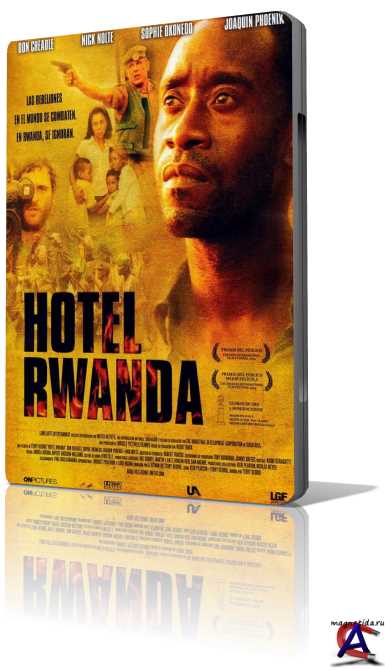
Are you planning to watch the movie “Hotel Rwanda” and need some guidance? Look no further! In this article, we have prepared a comprehensive viewing guide for you, complete with answers to some of the most commonly asked questions about the film.
“Hotel Rwanda” is a powerful true story that portrays the events of the 1994 Rwandan genocide. The film follows the life of Paul Rusesabagina, a hotel manager who risked his own life and saved the lives of more than a thousand refugees during the ethnic conflict between the Hutu and Tutsi tribes. It depicts the horrifying atrocities that took place during the genocide and sheds light on the heroism and resilience of the human spirit.
Our viewing guide will walk you through the key moments and themes of the movie, providing insights into the historical context, the characters, and their motivations. We will also explore the social and political factors that contributed to the outbreak of the genocide, as well as its aftermath. By the end of this guide, you will have a deeper understanding of the film and its significance in shedding light on one of the darkest chapters in human history.
Hotel Rwanda Viewing Guide Answers PDF
In Hotel Rwanda Viewing Guide Answers PDF, you will find the answers to some of the most commonly asked questions about the film “Hotel Rwanda”. This guide is a valuable resource for educators, students, and anyone interested in learning more about the historical context and themes of the movie.
The guide covers a wide range of topics, including the Rwandan genocide, the role of the United Nations, the power of media, and the heroism of ordinary people in the face of unimaginable violence. It provides detailed answers to questions such as:
- What was the Rwandan genocide? The Rwandan genocide refers to the systematic mass slaughter of the Tutsi people by the Hutu majority in Rwanda in 1994. It resulted in the death of approximately 800,000 people in just 100 days.
- What was the role of the United Nations during the genocide? Despite the presence of UN peacekeeping forces in Rwanda during the genocide, they were largely ineffective in preventing or stopping the violence. There were systematic failures in the UN’s response, including the withholding of information and the lack of a clear mandate to intervene.
- How did media play a role in the genocide? The media played a significant role in fueling the genocide in Rwanda. Radio stations, particularly Radio Télévision Libre des Mille Collines, disseminated hate speech and propaganda, dehumanizing the Tutsi people and urging the Hutu majority to violence.
- What role did Paul Rusesabagina play in saving lives during the genocide? Paul Rusesabagina, the protagonist of the film, was a hotel manager who used his connections and negotiation skills to save the lives of more than 1,200 people seeking refuge in the Hôtel des Mille Collines. His courageous actions and resourcefulness in the face of danger made him a hero.
The answers provided in the Hotel Rwanda Viewing Guide PDF will enhance your understanding of the film and help spark meaningful discussions about the themes and lessons it presents. Whether you are watching the film for educational purposes or for personal interest, this guide is an invaluable companion to deepen your knowledge and engagement with this important piece of history.
Overview of the Film
In the powerful film “Hotel Rwanda,” directed by Terry George, viewers are transported to the devastating events that took place during the Rwandan genocide in 1994. The film tells the true story of Paul Rusesabagina, a hotel manager at the Hôtel des Mille Collines in Kigali, who risked his life to save over a thousand people during the genocide.
The movie begins by introducing the viewers to Paul, a loving family man who goes about his daily routine in the bustling city of Kigali. However, tensions between the Hutu and Tutsi ethnic groups quickly escalate, leading to the outbreak of violence and mass killings. Paul finds himself in the midst of this chaos, as his hotel becomes a refuge for people seeking shelter from the brutal attacks.
Throughout the film, we witness Paul’s courage and resourcefulness as he uses his position and negotiation skills to protect those seeking safety in the hotel. Despite facing constant threats and challenges, Paul manages to keep his guests safe, providing them with food, water, and even disguising his Tutsi wife as a Hutu to keep her safe.
- In one particularly harrowing scene, Paul must negotiate with a Hutu militia leader to secure the safety of his guests, using his wit and charm to convince the leader to spare their lives.
- The film also sheds light on the international community’s lack of intervention during the genocide, highlighting the immense tragedy and suffering that could have been prevented.
- “Hotel Rwanda” serves as a poignant reminder of the atrocities that occurred during the Rwandan genocide and the incredible acts of bravery and compassion displayed by individuals like Paul Rusesabagina.
Overall, “Hotel Rwanda” is a gripping and emotional portrayal of a horrifying chapter in history. It raises important questions about the nature of humanity, the responsibility of the international community, and the power of individuals to make a difference in the face of unimaginable adversity.
Plot Summary
The movie “Hotel Rwanda” is based on the true story of Paul Rusesabagina, a hotel manager in Rwanda during the Rwandan Genocide in 1994. The film depicts the events that took place during the genocide and focuses on Rusesabagina’s role in protecting over a thousand Tutsi refugees.
The story begins with Paul Rusesabagina, a Hutu, working as a manager at the Hôtel des Mille Collines in Kigali, Rwanda. As tensions rise between the Hutu majority and the Tutsi minority, violence erupts, and a civil war breaks out. The Hutu extremists, known as the Interahamwe, start targeting Tutsis and moderate Hutus in a campaign of ethnic cleansing.
Rusesabagina uses his position at the hotel to provide refuge to Tutsi refugees, negotiating with corrupt military and government officials to ensure their safety. The hotel soon becomes overcrowded with Tutsis seeking shelter from the violence happening outside.
As the genocide escalates, Rusesabagina faces numerous challenges in protecting the refugees. He must navigate through a complex web of political and military interests, relying on his wit, charm, and resourcefulness to keep the guests alive. Amidst the chaos and brutality, Rusesabagina manages to maintain the hotel’s operations and protect as many people as possible.
The film showcases the horrors of the Rwandan Genocide, the indifference of the international community, and the power of one individual to make a difference in the face of unimaginable adversity. “Hotel Rwanda” serves as a reminder of the atrocities committed during the genocide and highlights the importance of compassion and humanity in times of crisis.
Key Themes
One of the key themes explored in the movie “Hotel Rwanda” is the power of individual actions and the impact they can have on a larger scale. The film portrays the story of Paul Rusesabagina, who manages to save the lives of over a thousand people during the Rwandan genocide by providing them shelter at the hotel he works at. This theme highlights the importance of empathy, courage, and resilience in the face of adversity.
Another important theme in the movie is the failure of the international community to intervene and prevent the genocide. Despite being aware of the atrocities taking place in Rwanda, the rest of the world turns a blind eye or hesitates to take action. This theme sheds light on the systemic issues and political complexities that often hinder effective humanitarian interventions, raising questions about the responsibility of the international community in preventing genocide and other acts of mass violence.
Additionally, the movie explores the theme of identity and the destructive power of divisive ideologies. The genocide in Rwanda was fueled by a deep-seated hatred between the Hutu and Tutsi ethnic groups, promoted by extremist propaganda. This theme emphasizes the dangers of perpetuating stereotypes, prejudice, and discrimination, and serves as a reminder of the importance of tolerance, understanding, and unity.
Lastly, “Hotel Rwanda” also touches upon the theme of survival and the sacrifices individuals are willing to make to protect their loved ones and their own lives. Paul Rusesabagina risks his own safety and uses his resources and connections to keep his family and the refugees in the hotel alive. This theme highlights the strength of the human spirit and the lengths people are capable of going to in order to survive in extreme circumstances.
Analysis and Interpretation
The film “Hotel Rwanda” provides a powerful analysis of the horrific events that took place during the Rwandan genocide in 1994. Through the lens of hotel manager Paul Rusesabagina, the audience is exposed to the atrocities committed by the Hutu extremists against the Tutsi population. This film serves as a reminder of the human capacity for cruelty and the importance of standing up against injustices.
The film highlights the theme of humanity and compassion in the face of immense violence. Despite the chaos and danger surrounding him, Paul Rusesabagina uses his position and resources to shelter and protect over a thousand Tutsis in the hotel. His desperate attempts to negotiate with the conflicting parties and save innocent lives demonstrate his unwavering humanity in the face of adversity.
The characterization of Paul also reveals the complexity of moral choices in times of crisis. As the violence intensifies and the government turns a blind eye to the worsening situation, Paul is faced with difficult decisions. He must weigh the risks of his actions against the potential consequences for himself and his family. This portrayal of moral ambiguity adds depth to the film and prompts viewers to reflect on their own ethical responsibilities.
The movie raises important questions about the failure of international intervention. As events unfold, the world watches indifferently, with no meaningful intervention to stop the senseless violence. The film serves as a testament to the grave consequences of inaction and the need for international cooperation in times of crisis. The lack of international assistance depicted in “Hotel Rwanda” serves as a reminder that there are still many marginalized communities around the world who do not receive the support they desperately need.
Overall, “Hotel Rwanda” is a gripping and thought-provoking film that exposes the horrors of the Rwandan genocide and the depths of human compassion in the face of evil. It serves as a powerful reminder of the importance of standing up against injustice and the consequences of inaction.
Discussion Questions
1. How does the film “Hotel Rwanda” depict the role of the international community during the Rwandan genocide? Do you think their response was adequate? Why or why not?
2. One of the main characters in the film, Paul Rusesabagina, is faced with difficult moral decisions throughout the story. What choices does he make and how do they impact the people around him? Discuss the ethical dilemmas he faces and how he navigates them.
3. The film portrays the stark contrast between the luxury of the hotel and the horrors happening outside its doors. What does this dichotomy symbolize? How does it contribute to the overall message of the film?
4. The film also focuses on the resilience and strength of the Rwandan people, despite the atrocities they faced. How does the director convey their resilience? What are some specific scenes or moments that highlight this theme?
5. Reflect on the role of media in the film. How does the media’s portrayal of the genocide impact the international response? Discuss the power dynamics between the international media and the Rwandan people.
6. In the film, we see the transformation of Paul Rusesabagina from a hotel manager to a humanitarian and activist. Discuss the factors that contribute to his transformation. How does he find the courage and motivation to take on such an immense responsibility?
7. The film raises important questions about humanity and our moral obligations to others. What lessons can be learned from “Hotel Rwanda” about the importance of empathy, compassion, and standing up against injustice?
Additional Resources
In addition to the Hotel Rwanda viewing guide, there are several resources available that can provide further insight and information on the Rwandan genocide, as well as related topics:
- Books: There are several books that provide detailed accounts and analysis of the Rwandan genocide, including “We Wish to Inform You That Tomorrow We Will Be Killed With Our Families” by Philip Gourevitch and “Shake Hands with the Devil: The Failure of Humanity in Rwanda” by Romeo Dallaire.
- Documentaries: There are also documentaries available that delve into the events of the Rwandan genocide, such as “Ghosts of Rwanda” and “Witness to Genocide.”
- Online Resources: There are numerous websites and online resources that offer historical context, survivor testimonies, and educational materials on the Rwandan genocide, including the United Holocaust Memorial Museum’s website.
By exploring these additional resources, viewers of Hotel Rwanda can gain a deeper understanding of the historical events depicted in the film and the broader implications of genocide in Rwanda. It is important to continue learning about and remembering such significant tragedies to prevent future atrocities and promote peace.