How to Harness Ocean Currents for Global Sailing Adventures
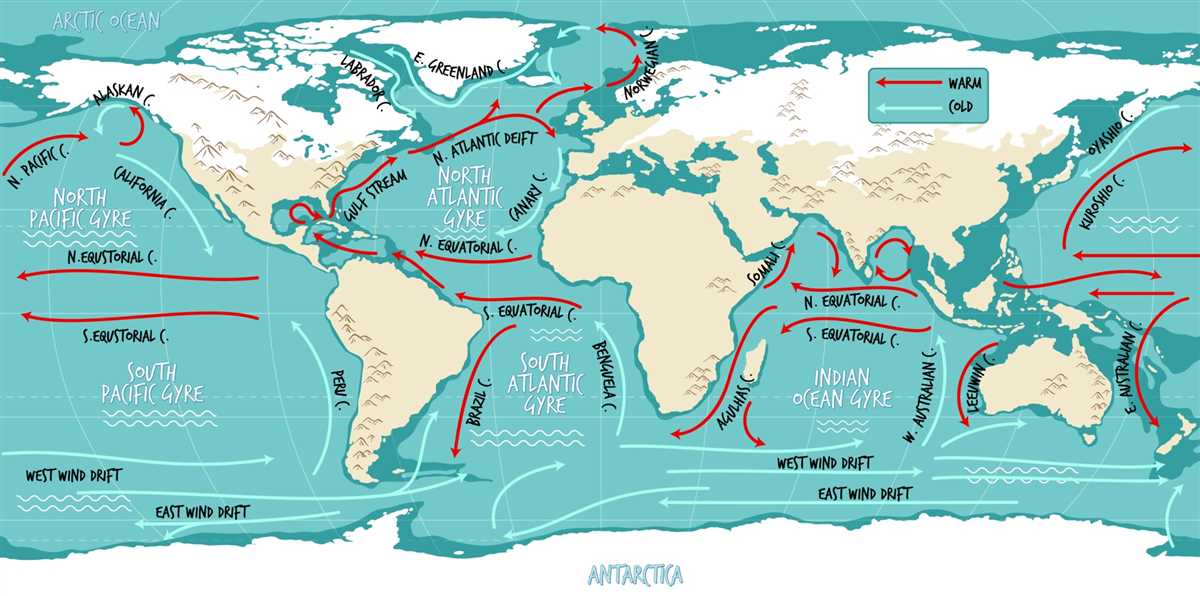
When it comes to circumnavigating the globe by sailboat, using ocean currents can be an ingenious strategy. By harnessing the power of these massive water movements, sailors can significantly reduce the amount of time and effort required to complete their journeys. This method has been employed by sailors throughout history, and today, modern technology and scientific knowledge can help sailors optimize their routes and capitalize on these currents.
Ocean currents are like invisible highways that flow through the world’s oceans, driven by a complex combination of factors such as temperature, winds, and the rotation of the Earth. These currents can have a dramatic impact on a sailboat’s speed and direction, with some currents capable of adding several knots to a boat’s speed, effectively pushing it along its desired course. By understanding the behavior of these currents, sailors can plan their routes to take advantage of them, minimizing the need for motorized propulsion and allowing for a more efficient and environmentally friendly journey.
For sailors attempting to circumnavigate the globe, planning their route around ocean currents is essential. Certain key currents, such as the Gulf Stream in the North Atlantic and the Kuroshio Current in the North Pacific, can play a significant role in speeding up voyages and providing favorable sailing conditions. By studying maps and consulting resources like pilot charts and ocean current atlases, sailors can plot a course that maximizes the use of these currents, reducing the overall distance and time required to complete their circumnavigation.
The concept of ocean currents
Ocean currents are continuous movements of water that flow in specific directions within the ocean. These currents play a significant role in the earth’s climate system, redistributing heat and carrying nutrients and organisms across the planet.
Density-driven currents: Some ocean currents are primarily driven by differences in water density. Cold water is denser than warm water, so when cold water sinks and warm water rises, it creates a vertical movement of water. This vertical movement, known as upwelling and downwelling, helps to transport nutrients from the ocean’s depths to the surface, which supports the growth of marine plants and sustains a diversity of marine life.
Surface currents: Surface ocean currents are driven by wind patterns, the rotation of the Earth, and the shape of the ocean basins. These currents are visible at the ocean’s surface and can extend to depths of a few hundred meters. Surface currents can have a significant impact on weather and climate. For example, the Gulf Stream carries warm water from the Gulf of Mexico to the North Atlantic, influencing the climate of the eastern coast of the United States and Western Europe.
It is important to note that ocean currents can vary in strength and direction depending on various factors, including seasonal changes, the shape of the coastline, and the presence of underwater topography such as seamounts and ridges.
- Some of the major ocean currents include the Gulf Stream, the Kuroshio Current, the Antarctic Circumpolar Current, and the Humboldt Current.
Ocean currents also have implications for navigation and exploration. Sailors have long used ocean currents to their advantage, using them to chart faster and more efficient routes across the ocean. With a deep understanding of ocean currents, sailors can navigate the seas more effectively, saving precious time, fuel, and resources. Additionally, scientists and researchers study ocean currents to better understand the earth’s climate system and the movement of pollutants and marine life.
How do sailors utilize ocean currents?
Ocean currents play a crucial role in the navigation and journey of sailors around the world. By understanding and effectively utilizing these currents, sailors are able to strategize their routes and increase efficiency in their voyages.
The first step in utilizing ocean currents is studying their patterns and characteristics. Sailors analyze various factors such as temperature, wind patterns, and the shape of the coastline to determine the direction and strength of the currents. They rely on scientific data, charts, and navigational tools to make informed decisions.
Once sailors have gained a comprehensive understanding of the ocean currents in a particular area, they can use them to their advantage. One of the main ways sailors utilize currents is by sailing with them to gain additional speed and conserve energy. They strategically plan their routes to intersect with favorable currents, allowing them to take advantage of the natural flow of water and propel their vessels forward more efficiently.
Sailors also use ocean currents to avoid unfavorable conditions and hazards. They carefully avoid areas with strong and counterproductive currents that can hinder their progress or pose risks to their safety. By leveraging their knowledge of currents, sailors can avoid unnecessary challenges and ensure smoother and safer journeys.
In some cases, sailors may even plan their entire circumnavigation around the world based on the predictability and reliability of certain ocean currents. One famous example is the “Clipper Route,” a historic trade route that took advantage of strong westerly winds and favorable currents, enabling fast and efficient sailing between Europe and the Far East during the age of sail.
In conclusion, sailors utilize ocean currents by studying their patterns, using them to gain speed and conserve energy, avoiding unfavorable conditions, and even planning their routes based on the predictability of certain currents. By effectively harnessing the power of these natural phenomena, sailors are able to navigate the vast oceans and complete their voyages with greater efficiency and safety.
Benefits of using currents for ocean travel
Utilizing ocean currents can offer numerous advantages for those traveling long distances across the world’s oceans. These currents, which are large-scale movements of water, can significantly affect a vessel’s speed and trajectory, providing a more efficient and safer means of travel. By harnessing the power of these currents, sailors and explorers can benefit from a range of advantages.
1. Increased Speed
One of the primary benefits of using ocean currents for travel is the potential increase in speed. By aligning their route with favorable currents, sailors can take advantage of the natural movement of water to propel their vessels forward. These currents can provide an additional boost to the vessel’s speed, reducing the time and effort required to reach their destination.
2. Fuel Efficiency

Another significant advantage of utilizing currents for ocean travel is the potential for increased fuel efficiency. When a vessel can ride along a favorable current, it requires less power from the engine to maintain its speed. This can result in significant fuel savings, reducing the environmental impact of long-distance travel and lowering operating costs for sailors and shipping companies.
3. Enhanced Safety
Using currents as a guide for ocean travel can also enhance safety. By following known currents, sailors can avoid hazardous areas such as strong opposing currents or regions with unpredictable weather conditions. Additionally, currents can help navigate around obstacles such as reefs or shallow areas, reducing the risk of grounding or collision.
4. Exploration and Adventure
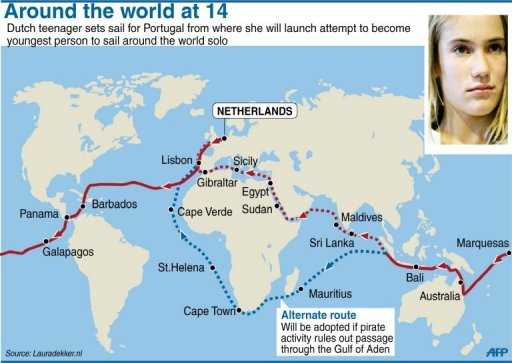
For those seeking adventure and exploration, using ocean currents can provide a unique opportunity to discover new places and experience diverse cultures. Following currents can lead sailors to remote and less-traveled regions that might otherwise be inaccessible. This can result in a more enriching travel experience and the chance to engage with different communities and environments.
In conclusion, utilizing ocean currents for travel offers various benefits, including increased speed, fuel efficiency, enhanced safety, and opportunities for exploration. By understanding and harnessing the power of these natural flows, sailors can make their journey more efficient, economical, and exciting.
Challenges and Considerations When Using Currents
The use of currents for sailing around the world presents both opportunities and challenges. Understanding the dynamics of currents and how to navigate them effectively is crucial for any sailor embarking on a long-distance journey. Here, we will explore some of the challenges and considerations that sailors face when using currents to navigate their way around the world.
1. Accurate knowledge and prediction of currents:

One of the first challenges is obtaining accurate information about the currents in the different regions of the world. Currents can vary greatly depending on the time of year, weather conditions, and geographical features. It is essential for sailors to have access to reliable current charts and up-to-date information to plan their routes and make informed decisions.
2. Planning routes to optimize current usage:
Once sailors have accurate information about currents, they must determine the most optimal routes that take advantage of these currents to their advantage. This requires careful planning and analysis, taking into account factors such as distance, speed, and direction of the currents, as well as potential obstacles or hazards along the way. Sailors must consider both the global patterns of currents and the local variations to plan their routes accordingly.
3. Managing changing currents:
Currents are not static; they can change in strength, direction, and speed. Sailors must be prepared to adapt to these changes and adjust their course accordingly. Being able to anticipate and react to changing currents is vital for maintaining progress and avoiding potential setbacks. This requires constant monitoring of the current conditions and making timely decisions to navigate effectively.
4. Assessing the impact on sailing speed:
While some currents can provide a helpful boost to a boat’s speed, others can act as barriers or slow the progress. Sailors need to consider how currents will affect their sailing speed and make adjustments accordingly. This may involve altering the sailing angle, adjusting sail trim, or even changing the planned route to avoid unfavorable current conditions.
5. Balancing energy consumption:
Using currents to sail around the world can help save energy and reduce fuel consumption. However, sailors must carefully manage their energy resources to ensure they have enough power for navigation and other essential systems aboard the boat. Relying too much on currents without properly considering energy needs can lead to unexpected challenges and constraints.
In conclusion, utilizing currents for sailing around the world offers many benefits, but it also poses various challenges. From accurate knowledge and prediction of currents to managing changing conditions and assessing their impact on sailing speed, sailors must carefully consider these factors to navigate effectively and make the most of the currents to reach their destinations.
Famous expeditions that made use of ocean currents
Ocean currents have been utilized by explorers and navigators throughout history to expedite their journeys and discover new lands. These powerful flows of water can significantly affect a vessel’s speed and direction, allowing expeditions to cover vast distances more efficiently. Here are some famous expeditions that successfully harnessed the power of ocean currents:
- The Kon-Tiki Expedition: In 1947, Norwegian explorer Thor Heyerdahl and his crew embarked on a daring journey across the Pacific Ocean on a handmade raft named Kon-Tiki. Heyerdahl aimed to prove that pre-Columbian South Americans could have settled Polynesia using only ancient technology. By studying the ocean currents, Heyerdahl plotted a course that would take advantage of the eastward flowing South Equatorial Current, effectively carrying them from Peru to the Tuamotu Islands.
- The Magellan-Elcano Expedition: In 1519, Ferdinand Magellan set sail from Spain with the goal of finding a westward route to the Spice Islands. While he did not achieve his initial objective, Magellan’s expedition became the first known circumnavigation of the Earth. By carefully planning their journey and taking advantage of the strong westerly currents in the southern Atlantic, Magellan and his crew were able to navigate around the treacherous Cape Horn, ultimately reaching the Pacific Ocean and completing their historic voyage.
These expeditions serve as remarkable examples of how understanding and utilizing ocean currents can drastically impact the success and efficiency of maritime adventures. By carefully studying the patterns and directions of these currents, explorers can strategically plan their routes, saving time and resources while maximizing their chances of reaching their destination. The use of ocean currents continues to be a valuable tool for modern-day explorers and sailors, contributing to the ongoing discovery and exploration of our vast oceans.
Future prospects and advancements in utilizing currents
In conclusion, the utilization of currents for sailing around the world holds great potential for the future. As our understanding of ocean currents continues to improve, advancements in technology and navigation systems will likely make it easier for sailors to harness the power of these natural forces.
One exciting possibility is the development of more efficient and eco-friendly sailing vessels that are specifically designed to take advantage of ocean currents. These vessels could be equipped with sophisticated sensors and computer systems that analyze real-time data on currents, allowing sailors to plot the most efficient routes and make adjustments as needed.
Advancements in renewable energy sources, such as solar and wind power, can also complement the use of currents by providing additional propulsion for sailing vessels. Integrating these technologies can reduce the reliance on conventional fuel sources and make long-distance ocean travel more sustainable and environmentally friendly.
The future of utilizing currents for sailing around the world also presents opportunities for scientific research and exploration. By studying ocean currents and their dynamics, scientists can gain valuable insights into climate patterns, marine ecosystems, and the overall health of our oceans. This knowledge can contribute to a better understanding of our planet and inform conservation efforts.
In summary, the utilization of currents has the potential to revolutionize the world of sailing, making long-distance voyages more efficient, sustainable, and environmentally friendly. With ongoing advancements and research in this field, we can look forward to a future where harnessing the power of currents becomes a standard practice in the maritime industry.